Gray’s Fritillary: A Rare California Native Worth Protecting
If you’re a native plant enthusiast looking for something truly special for your California garden, Gray’s fritillary (Fritillaria grayana) might just capture your heart. This diminutive wildflower is one of California’s botanical treasures, though its rarity means you’ll need to be extra thoughtful about how you add it to your landscape.
What Makes Gray’s Fritillary Special
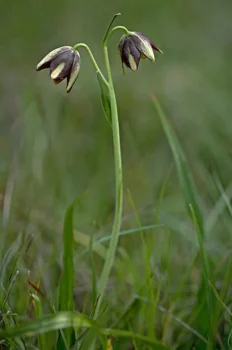
Gray’s fritillary is a perennial forb that emerges from small bulbs each spring, producing delicate, nodding bell-shaped flowers that are absolutely enchanting up close. The blooms typically display rich chocolate brown to purplish-brown petals with distinctive yellow markings that seem to glow in the dappled light of their woodland habitat.
This charming native goes by the botanical name Fritillaria grayana, and you might occasionally see it listed under its synonyms Fritillaria biflora var. ineziana or Fritillaria roderickii in older references.
Where Gray’s Fritillary Calls Home
Gray’s fritillary has an extremely limited native range, found only in Northern California, specifically in Sonoma and Napa counties. This narrow distribution makes it a true California endemic and adds to its special appeal for local gardeners.
- Species observed
- No observations
A Word of Caution: Rarity Matters
Before we dive into growing tips, there’s something important you need to know. Gray’s fritillary has a Global Conservation Status of S1Q, which indicates it’s quite rare in the wild. This means if you’re interested in growing this beauty, you absolutely must source your plants or bulbs from reputable native plant nurseries that propagate them responsibly rather than collecting from wild populations.
Why Grow Gray’s Fritillary?
Despite its rarity (or perhaps because of it), there are compelling reasons to include Gray’s fritillary in your California native garden:
- It’s a true California original that supports local ecosystem health
- The unique flowers provide early spring nectar for native bees and other pollinators
- It’s perfectly adapted to California’s Mediterranean climate
- It adds an element of botanical rarity and conservation to your garden
- The flowers have an understated elegance that’s perfect for naturalized settings
Perfect Garden Settings
Gray’s fritillary thrives in specialized garden environments that mimic its natural habitat. Consider it for:
- Native California plant gardens
- Rock gardens with excellent drainage
- Woodland or shade gardens
- Naturalized areas under oaks or other native trees
- Collections focused on rare or unusual native plants
Growing Conditions and Care
Success with Gray’s fritillary depends on understanding its natural growth cycle and providing the right conditions:
Climate and Hardiness: This plant is suited for USDA hardiness zones 8-10 and requires a Mediterranean climate with wet winters and dry summers.
Soil Requirements: Well-draining soil is absolutely critical. These bulbs will rot in soggy conditions, so consider raised beds or slopes if your soil doesn’t drain well naturally.
Light Conditions: Partial shade works best, mimicking the dappled light found under native oak trees.
Water Needs: Water during the active growing season (fall through spring), but allow the soil to dry out completely during summer dormancy.
Planting and Care Tips
Growing Gray’s fritillary successfully requires attention to its natural rhythm:
- Plant bulbs in fall, about 3-4 inches deep
- Choose a location with morning sun and afternoon shade
- Mulch lightly with leaf litter or fine bark chips
- Water regularly during the growing season, but taper off as foliage yellows
- Allow plants to go completely dormant in summer – no supplemental water!
- Mark the location so you don’t accidentally disturb dormant bulbs
- Be patient – these plants may take several years to establish and bloom reliably
Supporting Conservation Through Gardening
By choosing to grow Gray’s fritillary from responsibly propagated sources, you’re participating in its conservation. Home gardens can serve as genetic repositories for rare plants, helping ensure their survival for future generations. Just remember to always purchase from reputable native plant nurseries and never collect plants from the wild.
Gray’s fritillary may require a bit more attention than your average garden flower, but for those willing to provide the right conditions and source plants responsibly, it offers the unique satisfaction of growing one of California’s botanical gems right in your own backyard.