Great Indian Plantain: A Stately Native for Shade Gardens
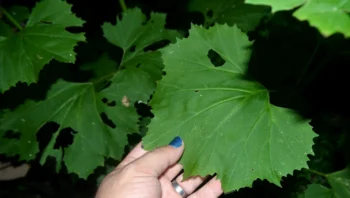
If you’re looking to add some serious drama to your shade garden, meet the great Indian plantain (Arnoglossum reniforme). This native perennial might not be the flashiest plant on the block, but it brings a quiet elegance that’s hard to ignore. With its distinctive kidney-shaped leaves and towering flower spikes, this woodland wonder deserves a spot in more native gardens across America.
What Makes Great Indian Plantain Special?
Great Indian plantain is a true American native, naturally occurring across 21 states from the eastern seaboard to the upper Midwest. You’ll find this perennial growing wild in states including Alabama, Illinois, Pennsylvania, Virginia, and Wisconsin, among others. It’s perfectly adapted to our continental climate and local ecosystems.
- Species observed
- No observations
This plant goes by several scientific names in botanical literature – you might see it listed as Mesadenia reniformis or Cacalia muehlenbergii in older references. But regardless of what name it’s wearing, you’ll recognize it by those signature large, rounded leaves that give it such a distinctive appearance.
A Word About Rarity
Before we dive into growing tips, there’s something important to know: great Indian plantain has become quite rare in some areas. In New Jersey, it’s listed as Highlands Listed, SX.1, indicating it’s of conservation concern. If you’re lucky enough to find this plant for sale, make sure you’re purchasing from a reputable nursery that propagates their own stock rather than wild-collecting.
Garden Appeal and Design Role
Great Indian plantain isn’t your typical showy garden star, but that’s exactly what makes it special. The large, kidney-shaped basal leaves create bold texture in shade gardens, while the tall flowering stems (reaching 3-6 feet) add vertical interest in late summer. The clusters of small white flowers might seem modest up close, but they create an impressive display when viewed from a distance.
This plant works beautifully in:
- Woodland gardens and naturalized areas
- Native plant gardens focused on regional species
- Shade perennial borders where you need height and texture
- Rain gardens and areas with consistent moisture
Growing Conditions and Care
Great Indian plantain is surprisingly easy-going once you understand its preferences. Think about where you’d find it in nature – moist woodland floors with rich, organic soil and dappled sunlight filtering through the canopy.
Ideal Growing Conditions:
- Light: Partial to full shade (morning sun with afternoon shade is perfect)
- Soil: Moist, well-draining, rich in organic matter
- Water: Consistent moisture, but not waterlogged
- USDA Hardiness Zones: 3-8
Planting and Establishment Tips
Spring is the best time to plant great Indian plantain. Choose a spot that mimics its natural woodland habitat – somewhere with good air circulation but protection from harsh winds and intense afternoon sun.
Prepare the planting area by working in plenty of compost or aged leaf mold. The plant appreciates rich, organic soil that holds moisture without becoming soggy. Once established, it’s relatively low-maintenance, though you’ll want to keep the soil consistently moist during its first growing season.
Wildlife and Pollinator Benefits
While great Indian plantain might not be the first plant that comes to mind for pollinator gardens, its late-summer blooms are actually quite valuable. The small white flowers attract a variety of butterflies, native bees, and other beneficial insects at a time when many other flowers are starting to fade.
The seeds also provide food for birds later in the season, and the large leaves can offer shelter for small wildlife throughout the growing season.
Is Great Indian Plantain Right for Your Garden?
This native beauty is perfect for gardeners who:
- Want to support local ecosystems with regionally appropriate plants
- Have challenging shade areas that need reliable perennials
- Appreciate subtle beauty over flashy displays
- Are committed to helping preserve rare native species
However, you might want to consider other options if you’re looking for bright colors, need plants for full sun locations, or want something that provides immediate impact in its first year.
Final Thoughts
Great Indian plantain may not be the most common choice for American gardens, but that’s exactly why it deserves more attention. By growing this native perennial, you’re not only adding unique texture and late-season interest to your landscape – you’re also helping preserve a piece of our natural heritage. Just remember to source your plants responsibly, and enjoy watching this woodland gem settle into your garden for years to come.