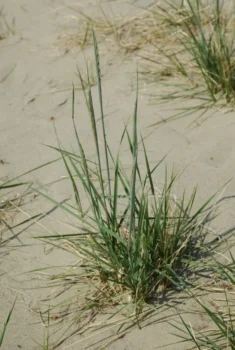
Great Lakes Wheatgrass: A Hardy Native Grass for Great Lakes Gardens
If you’re looking to add some authentic Great Lakes character to your landscape, Great Lakes wheatgrass (Elymus lanceolatus psammophilus) might just be the unsung hero your garden needs. This perennial native grass brings both beauty and ecological benefits to the right setting, though it’s definitely got some specific preferences you’ll want to know about.
What Makes Great Lakes Wheatgrass Special?
Great Lakes wheatgrass is a subspecies of the more widely known thickspike wheatgrass, but this particular variety has evolved specifically for the Great Lakes region. The name psammophilus literally means sand-loving, which gives us a big clue about where this grass feels most at home. As a true native perennial, it’s perfectly adapted to the unique conditions found around the Great Lakes.
Where Does It Call Home?
This grass has a pretty specific address – you’ll find it naturally growing in Manitoba, Ontario, Saskatchewan, Michigan, and Wisconsin. It’s native to both Canada and the lower 48 states, making it a true cross-border botanical citizen. If you live in or near the Great Lakes region, you’re in the sweet spot for growing this adaptable native.
- Species observed
- No observations
Why Consider Great Lakes Wheatgrass for Your Landscape?
Here’s where this grass really shines – it’s built for the specific challenges of Great Lakes gardening:
- Sandy soil specialist: If you’re struggling with sandy or well-draining soils where other plants struggle, this grass thrives
- True regional native: Supporting local ecosystems and wildlife that have co-evolved with this species
- Perennial reliability: Once established, it comes back year after year without replanting
- Low-maintenance appeal: Native grasses typically require less water and fertilizer than non-native alternatives
What to Expect
Great Lakes wheatgrass is part of the grass family (along with sedges, rushes, and other grass-like plants), so expect the classic grass growth habit with narrow leaves and seed heads. While specific details about its mature size aren’t readily available, most wheatgrasses form attractive clumps that work well in naturalistic plantings.
Growing Great Lakes Wheatgrass Successfully
The key to success with this grass is understanding its sand-loving nature. Here’s what it’s likely looking for:
- Soil: Well-draining, sandy soils are ideal – avoid heavy clay or constantly moist conditions
- Sun exposure: Most native grasses prefer full sun to partial sun conditions
- Climate: Adapted to Great Lakes climate patterns, including cold winters and variable precipitation
- Establishment: Be patient during the first year as native grasses often focus on root development before showing dramatic top growth
Perfect Garden Roles
Great Lakes wheatgrass works beautifully in:
- Native plant gardens and prairie restorations
- Erosion control on sandy slopes
- Low-water landscapes and xeriscaping
- Wildlife habitat gardens
- Naturalistic borders and meadow plantings
A Word About Rarity
This grass has a conservation status of S5T3, which suggests it may have some regional rarity considerations. If you’re interested in growing Great Lakes wheatgrass, make sure to source your plants or seeds from reputable native plant suppliers who practice ethical collection methods.
The Bottom Line
Great Lakes wheatgrass isn’t going to be the showstopper of your garden – it’s more of a quiet, reliable team player. If you’re gardening in the Great Lakes region and dealing with sandy soils, or if you’re passionate about supporting truly local native plants, this grass deserves serious consideration. It may not have the flashy flowers of some natives, but it brings authentic regional character and ecological value that’s hard to beat.
Just remember: this is a plant that knows what it wants (sandy soil, Great Lakes climate), and when you give it those conditions, it’ll reward you with years of low-maintenance, ecologically beneficial growth.