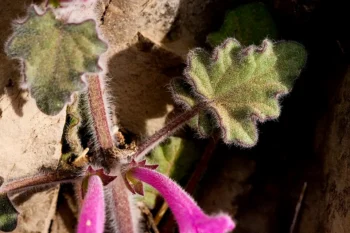
Great Sage: A Rare Native Treasure of the Southwest
Meet Salvia summa, commonly known as great sage – a mysterious and rare native perennial that calls the American Southwest home. If you’re lucky enough to encounter this elusive plant, you’re looking at one of nature’s more secretive botanical treasures.
Where You’ll Find Great Sage
Great sage is native to the lower 48 states, specifically found growing in New Mexico and Texas. This limited geographic distribution makes it a true regional specialty, adapted to the unique conditions of the southwestern United States.
- Species observed
- No observations
What Makes Great Sage Special
As a perennial forb, great sage lacks the woody stems of shrubs and trees, instead growing as a herbaceous plant that returns year after year. Like other members of the sage family, it’s a vascular plant that maintains its life cycle through buds located at or below ground level, helping it survive harsh conditions.
A Word of Caution: Rarity Matters
Before you start planning your great sage garden, there’s something important to know: Salvia summa has a Global Conservation Status of S3?, which indicates its conservation status is currently undefined. This uncertainty, combined with its extremely limited distribution, suggests this plant may be quite rare in the wild.
If you’re interested in growing great sage, it’s crucial to source plants only from reputable native plant nurseries that propagate their stock rather than collecting from wild populations. Never collect seeds or plants from natural areas, as this could further threaten already limited populations.
Growing Great Sage: What We Know
Unfortunately, detailed growing information for this rare species is limited. As with many native sages, it likely prefers:
- Well-draining soil conditions
- Full sun to partial shade
- Minimal water once established
- Protection from extreme cold in northern areas
Consider These Alternatives
Given the rarity and limited availability of great sage, consider these more common native alternatives that offer similar benefits:
- Autumn sage (Salvia greggii) – widely available and pollinator-friendly
- Cedar sage (Salvia roemeriana) – another Texas native with beautiful red flowers
- Mealy blue sage (Salvia farinacea) – drought-tolerant with stunning blue spikes
The Bottom Line
While great sage represents an interesting piece of southwestern botanical heritage, its rarity means it’s not a practical choice for most gardeners. If you do find responsibly sourced plants, treat them as the botanical treasures they are. For most of us, supporting conservation efforts and choosing more common native sages will be the best way to create beautiful, wildlife-friendly gardens while protecting rare species like Salvia summa for future generations.
Remember: when in doubt about rare plants, the best approach is often to admire them in their natural habitat and choose more readily available natives for our home landscapes.