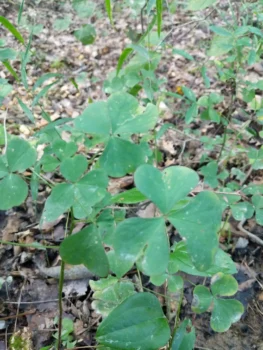
Great Yellow Woodsorrel: A Charming Native Annual Worth Protecting
If you’re looking to add a touch of delicate yellow beauty to your native garden while supporting local ecosystems, great yellow woodsorrel (Oxalis grandis) might just be the perfect addition. This charming little annual brings both aesthetic appeal and ecological value to woodland gardens across the southeastern United States.
What Makes Great Yellow Woodsorrel Special?
Great yellow woodsorrel is a native annual forb that belongs to the wood sorrel family. Unlike its weedy cousins that gardeners often battle, this species is actually a treasured native plant that deserves our protection and cultivation. As an annual, it completes its entire life cycle in one growing season, producing seeds that will germinate the following year under the right conditions.
You might also encounter this plant listed under its botanical synonyms Oxalis recurva or Xanthoxalis grandis in older gardening references, but Oxalis grandis is the accepted scientific name today.
Where Does It Call Home?
This native beauty naturally occurs across a swath of the southeastern and south-central United States. You’ll find wild populations in Alabama, Georgia, North Carolina, South Carolina, Tennessee, Kentucky, Virginia, West Virginia, Maryland, Pennsylvania, Ohio, Indiana, Mississippi, and even the District of Columbia. Its range suggests it’s well-adapted to the climate conditions found in USDA hardiness zones 6 through 9.
- Species observed
- No observations
A Word of Caution: Rarity Matters
Before you rush out to find seeds, here’s something important to know: great yellow woodsorrel is considered critically imperiled in Alabama, where it holds an S1 rarity status. This means it’s extremely rare and vulnerable in that state. If you’re planning to grow this species, please ensure you source your seeds or plants from reputable native plant nurseries that practice responsible collection methods. Never collect from wild populations, especially in areas where the plant is rare.
Garden Appeal and Design Role
Don’t let its small stature fool you – great yellow woodsorrel packs a delightful punch in the garden. Its cheerful yellow flowers and distinctive three-part leaves (typical of the Oxalis family) create a charming groundcover effect in woodland settings. The plant works beautifully as an understory species, naturalizing in dappled shade where it can spread and self-seed without becoming aggressive.
This species is perfect for:
- Native plant gardens focused on regional flora
- Woodland gardens and shaded borders
- Naturalized areas that mimic forest edge habitats
- Rain gardens and areas with consistent moisture
Supporting Local Wildlife
While great yellow woodsorrel may be small, it plays its part in supporting local ecosystems. Its delicate flowers attract small native pollinators, including tiny native bees and other beneficial insects. As with most native plants, it likely serves as a host or food source for native wildlife species that have evolved alongside it over thousands of years.
Growing Conditions and Care
Great yellow woodsorrel thrives in conditions that mimic its natural woodland habitat. Here’s what this charming annual prefers:
- Light: Partial shade to full shade – it’s not a sun-worshipper
- Soil: Moist, well-draining soils rich in organic matter
- Moisture: Consistent moisture without waterlogging
- pH: Adaptable to most soil pH levels found in its native range
Planting and Maintenance Tips
Since great yellow woodsorrel is an annual, your main job is creating the right conditions for it to establish and self-seed. Here are some tips for success:
- Start with seeds from reputable native plant sources
- Sow seeds in fall or very early spring when natural germination would occur
- Choose a partially shaded location with rich, moist soil
- Allow the plants to go to seed naturally to ensure future generations
- Avoid heavy mulching that might prevent seeds from reaching soil
- Be patient – it may take a year or two to establish a self-sustaining population
Is Great Yellow Woodsorrel Right for Your Garden?
This native annual is an excellent choice for gardeners who want to support local ecosystems while enjoying subtle, natural beauty. It’s particularly well-suited for those creating woodland gardens or working to restore native plant communities. However, because of its rarity status in some areas, it’s crucial to source plants responsibly and never harvest from wild populations.
If you can’t find great yellow woodsorrel or want similar alternatives, consider other native Oxalis species appropriate to your region, or explore other native woodland annuals that provide similar ecological benefits and aesthetic appeal.
By choosing to grow great yellow woodsorrel, you’re not just adding beauty to your garden – you’re participating in the conservation of a native species that deserves our protection and appreciation.