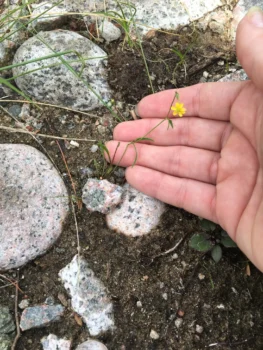
Greater Creeping Spearwort: A Delicate Native Groundcover for Wet Gardens
If you’re looking for a charming native plant that thrives in those tricky wet spots in your garden, greater creeping spearwort might just be your new best friend. This delicate member of the buttercup family brings sunny yellow blooms and a creeping habit that makes it perfect for naturalizing in moist areas.
What Is Greater Creeping Spearwort?
Greater creeping spearwort (Ranunculus flammula var. filiformis) is a perennial forb – basically a soft-stemmed herbaceous plant that comes back year after year. Don’t let the fancy botanical name intimidate you; this little charmer has also gone by several other scientific names over the years, including Ranunculus filiformis and Ranunculus reptans.
As a true native, this plant has deep roots in North American ecosystems, literally and figuratively. It’s naturally found across an impressive range that spans from Alaska down through Canada and into many of the lower 48 states, plus Greenland and St. Pierre and Miquelon.
Where Does It Grow?
This hardy little plant has quite the geographic resume! You can find it naturally growing across a vast territory including Alberta, British Columbia, Alaska, Manitoba, and extending through the eastern provinces down into states like Colorado, Maine, Massachusetts, Michigan, Minnesota, and many others. It’s truly a plant of northern climates, thriving in USDA hardiness zones 2 through 7.
- Species observed
- No observations
Important Conservation Note
Here’s something crucial to know: in New Jersey, greater creeping spearwort is listed as endangered and receives special protection status in both the Pinelands and Highlands regions. If you live in New Jersey or are considering planting this species anywhere, please ensure you source your plants responsibly from reputable native plant nurseries that propagate their stock rather than wild-collecting.
Why Grow Greater Creeping Spearwort?
This plant offers several compelling reasons to include it in your native garden:
- Pollinator magnet: The bright yellow flowers attract small native bees, flies, and other beneficial insects
- Problem-solver: Thrives in wet areas where other plants might struggle
- Low maintenance: Once established, it requires minimal care
- Native authenticity: Supports local ecosystems and wildlife
- Naturalistic beauty: Creates a carpet of delicate blooms in appropriate settings
Perfect Garden Settings
Greater creeping spearwort isn’t suited for just any garden spot – it has specific preferences that make it ideal for certain situations:
- Rain gardens and bioswales
- Bog gardens or wetland margins
- Naturalistic pond edges
- Moist meadow plantings
- Areas with seasonal flooding
Growing Conditions and Care
Success with greater creeping spearwort comes down to understanding its love affair with moisture:
Soil: Consistently moist to wet soils are essential. It prefers acidic to neutral pH levels and can handle clay or sandy soils as long as they stay moist.
Light: Full sun to partial shade works well, though it tends to flower more prolifically with good sun exposure.
Water: This is non-negotiable – consistent moisture is absolutely critical. If your site tends to dry out, this isn’t the plant for you.
Maintenance: Once established in the right conditions, it’s remarkably low-maintenance. The creeping habit means it will spread naturally to form colonies.
Planting Tips
When planting greater creeping spearwort, timing and placement are key. Spring planting works best, allowing the plant to establish before winter. Space plants about 12-18 inches apart if you want quicker coverage, though individual plants will spread over time.
Remember, this plant’s creeping nature means it will naturalize and spread – exactly what you want in a wetland garden but something to consider in more formal settings.
The Bottom Line
Greater creeping spearwort is a wonderful choice for gardeners with consistently moist conditions who want to support native ecosystems. Its delicate beauty and important ecological role make it a valuable addition to the right garden setting. Just remember to source responsibly, especially given its endangered status in some regions, and ensure you can provide the wet conditions it absolutely requires to thrive.