Greenflower Indian Mallow: A Rare Hawaiian Treasure Worth Protecting
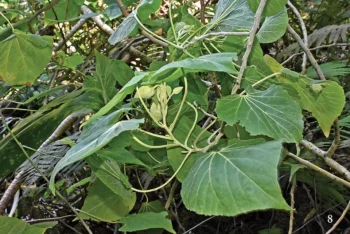
Meet the greenflower Indian mallow (Abutilon sandwicense), one of Hawaii’s most endangered native shrubs. This little-known plant might not win any beauty contests, but it holds a special place in Hawaiian ecosystems and the hearts of conservation-minded gardeners.
What Makes This Plant Special?
The greenflower Indian mallow is a perennial shrub that’s endemic to Hawaii, meaning it exists nowhere else on Earth. This multi-stemmed woody plant typically grows to about 13-16 feet tall, though it can vary depending on growing conditions. Its heart-shaped leaves and small, inconspicuous greenish-yellow flowers give it a subtle charm that speaks to those who appreciate understated native beauty.
Where Does It Grow?
This rare shrub is found exclusively in Hawaii, scattered across several of the islands. Unfortunately, its populations have become critically small due to habitat loss and other environmental pressures.
- Species observed
- No observations
A Plant on the Brink
Here’s where things get serious: the greenflower Indian mallow is listed as Endangered and has a Global Conservation Status of S1, meaning it’s critically imperiled. With typically five or fewer occurrences and very few remaining individuals (fewer than 1,000), this plant is teetering on the edge of extinction.
What does this mean for gardeners? If you’re considering growing this plant, you’re not just adding another shrub to your landscape – you’re potentially participating in conservation efforts to save a species.
Should You Grow Greenflower Indian Mallow?
The short answer: only if you’re truly committed to conservation and can source it responsibly. This isn’t a plant for casual gardeners or impulse buyers. Here’s why you might want to consider it:
- You’re passionate about Hawaiian native plants and conservation
- You have experience growing rare or challenging plants
- You can obtain plants or seeds from reputable conservation organizations
- You’re creating a native Hawaiian garden or restoration project
Important: Never collect plants or seeds from wild populations. Always work with botanical gardens, conservation organizations, or certified native plant societies to obtain responsibly sourced material.
Growing Conditions and Care
If you’re committed to growing this rare beauty, here’s what you need to know:
- Climate: USDA hardiness zones 10-11 (tropical to subtropical)
- Light: Partial shade to full sun
- Soil: Well-draining soil is essential
- Water: Moderate watering needs
- Space: Allow room for a shrub that can reach 13-16 feet
Given its rarity, this plant may require specialized care techniques that are best learned from experienced growers or conservation programs.
The Bigger Picture
While the greenflower Indian mallow may not be the showiest plant in your garden, growing it connects you to something much larger – the preservation of Hawaii’s unique flora. Every plant grown in cultivation represents hope for the species’ survival and potential future restoration efforts.
If you’re not ready to take on the responsibility of growing this endangered species, consider supporting Hawaiian native plant conservation in other ways: donate to botanical gardens, participate in habitat restoration projects, or choose other native Hawaiian plants that are less critically endangered.
Sometimes the most rewarding plants to grow are the ones that challenge us to be better gardeners and better stewards of our natural world.