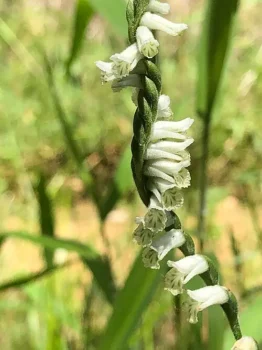
Greenvein Lady’s Tresses: A Delicate Native Orchid for Wetland Gardens
Meet greenvein lady’s tresses (Spiranthes praecox), a charming native orchid that brings unexpected elegance to wetland gardens across the southeastern United States. This delicate perennial might be small in stature, but it packs a big punch when it comes to adding botanical interest to moisture-loving landscapes.
What Makes This Native Special
Greenvein lady’s tresses is a true native treasure, naturally occurring across sixteen states from Texas to New Jersey. Unlike many of the showier orchids we might think of, this humble beauty prefers to keep things understated with its spiral arrangement of tiny white flowers that bloom from late summer into fall.
As a member of the orchid family, this perennial forb lacks woody tissue and dies back to the ground each winter, emerging fresh each spring from underground structures. The plant gets its common name from the distinctive spiral pattern its flowers create as they wind around the stem – quite literally resembling delicate laces or tresses.
- Species observed
- No observations
A Word About Rarity
Before we dive into growing tips, there’s something important to know: greenvein lady’s tresses has a rarity status of S1S2 in Arkansas, meaning it’s quite uncommon there. If you’re interested in adding this beauty to your garden, please only purchase from reputable native plant nurseries that ethically source their material. Never collect plants from the wild – we want to protect these precious populations for future generations!
Where Does It Like to Live?
This little orchid is quite particular about its living conditions, and for good reason – it’s adapted to some pretty specific habitats. Depending on where you live, greenvein lady’s tresses ranges from a facultative wetland plant (usually in wet areas but occasionally in drier spots) to an obligate wetland species (almost always in wet conditions).
Here’s what it prefers:
- Consistently moist to wet soils
- Full sun to partial shade
- Acidic soil conditions
- USDA hardiness zones 6-9
Perfect for Specialized Gardens
Greenvein lady’s tresses isn’t your typical garden center find, and that’s perfectly fine! This specialized beauty shines in:
- Rain gardens and bioswales
- Bog gardens
- Wetland restoration projects
- Native plant gardens with consistent moisture
- Naturalistic landscapes near water features
Aesthetic Appeal and Garden Role
While not a bold statement plant, greenvein lady’s tresses offers subtle charm that’s perfect for gardeners who appreciate delicate beauty. The spiral arrangement of small white flowers creates an interesting vertical element in late summer when many other plants are winding down. It works beautifully as part of a diverse wetland planting, adding texture and seasonal interest without overwhelming companion plants.
Supporting Local Wildlife
Like many native orchids, greenvein lady’s tresses provides nectar for small bees and other beneficial insects during its blooming period. While it may seem modest, every native plant plays a role in supporting local ecosystems, and this orchid is no exception.
Growing Tips and Care
Let’s be honest – greenvein lady’s tresses isn’t the easiest plant to grow, and that’s okay! Here are some tips for success:
- Moisture is key: This plant needs consistent moisture throughout the growing season
- Don’t let it dry out: Unlike many garden plants, this orchid won’t tolerate drought
- Patience is a virtue: Native orchids can be slow to establish and may not bloom every year
- Less is more: Avoid fertilizing – these plants are adapted to nutrient-poor conditions
- Respect its dormancy: Don’t be alarmed when it disappears in winter; it’s just resting underground
Is This Plant Right for Your Garden?
Greenvein lady’s tresses is perfect for you if you have a consistently moist area in your garden and appreciate subtle, native beauty. It’s ideal for gardeners interested in wetland restoration, rain garden creation, or simply supporting native biodiversity.
However, this might not be the best choice if you’re looking for a low-maintenance, drought-tolerant plant or hoping for showy, long-lasting blooms. Its specialized needs make it more suitable for dedicated native plant enthusiasts rather than casual gardeners.
If you do decide to try growing greenvein lady’s tresses, remember to source plants responsibly and be patient with establishment. This little native orchid rewards careful attention with its unique beauty and ecological value, making it a special addition to the right garden setting.