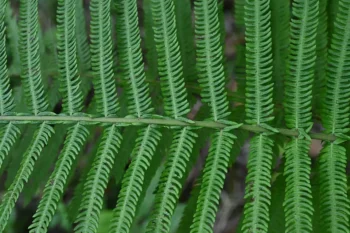
Gridscale Maiden Fern: A Delicate Native Beauty for Shaded Gardens
If you’re looking to add some graceful, feathery texture to your shaded garden spaces, the gridscale maiden fern (Thelypteris patens) might just be the perfect native plant for you. This charming fern brings an effortless elegance to any landscape with its delicate, lacy fronds that dance gently in the breeze.
What is Gridscale Maiden Fern?
The gridscale maiden fern is a native perennial fern that belongs to the wood fern family. Don’t let the scientific name intimidate you – this is simply a beautiful, low-maintenance fern that’s been quietly beautifying American landscapes for centuries. As a true native species, it’s naturally adapted to our local ecosystems and requires minimal fuss once established.
Where Does It Call Home?
This lovely fern is native to the southeastern United States, with its primary range in Florida, Puerto Rico, and the U.S. Virgin Islands. It’s a true subtropical and tropical native, perfectly suited to warm, humid climates where it can thrive year-round.
- Species observed
- No observations
Why Choose Gridscale Maiden Fern for Your Garden?
There are several compelling reasons to consider adding this native beauty to your landscape:
- Native authenticity: Supporting local ecosystems by choosing plants that naturally belong in your area
- Low maintenance: Once established, these ferns are relatively hands-off
- Textural interest: The delicate, feathery fronds add wonderful contrast to broader-leafed plants
- Shade solution: Perfect for those tricky shaded spots where many plants struggle
- Year-round appeal: In warmer zones, enjoys evergreen qualities
Perfect Garden Settings
Gridscale maiden fern shines in several garden scenarios:
- Woodland gardens and naturalistic plantings
- Shade gardens needing textural diversity
- Native plant gardens focused on regional species
- Tropical and subtropical landscape designs
- Understory plantings beneath trees and larger shrubs
Growing Conditions and Care
The beauty of native plants is their adaptability to local conditions. Gridscale maiden fern prefers:
- Light: Partial to full shade (perfect for those dim corners!)
- Hardiness: USDA zones 8b-11, thriving in warm climates
- Moisture: Consistent moisture is appreciated, though it can tolerate some dryness once established
- Soil: Adaptable to various soil types, though well-draining soil with organic matter is ideal
Special Considerations
According to wetland classifications, this fern is considered Facultative Upland in the Atlantic and Gulf Coastal Plain region, meaning it usually grows in non-wetland areas but can occasionally be found in wetland settings. In the Caribbean, it’s classified as Facultative, indicating it’s equally comfortable in wet or dry conditions.
Planting and Establishment Tips
Getting your gridscale maiden fern off to a good start is straightforward:
- Plant in spring when temperatures are consistently warm
- Ensure consistent moisture during the first growing season
- Add organic matter like compost to the planting area
- Mulch around the base to retain moisture and suppress weeds
- Be patient – ferns can take time to establish but are worth the wait
The Bottom Line
Gridscale maiden fern is a wonderful choice for gardeners in warmer climates who want to embrace native plants while solving shade garden challenges. Its delicate beauty, low-maintenance nature, and ecological benefits make it a smart addition to any naturalistic or native plant garden. While it may not attract pollinators like flowering plants do, it contributes to the overall health and authenticity of your local ecosystem.
If you’re gardening in zones 8b-11 and have shaded areas that need some gentle, textural interest, gridscale maiden fern deserves serious consideration for your plant palette.