Griffiths’ Saltbush: A Rare Desert Gem for Water-Wise Gardens
Looking for a tough, drought-tolerant native shrub that can handle the harshest desert conditions? Meet Griffiths’ saltbush (Atriplex griffithsii), a resilient perennial shrub that’s perfectly adapted to life in the American Southwest. While it might not win any beauty contests with flashy flowers, this unassuming plant has some serious staying power and deserves a spot in the right garden.
Where Does Griffiths’ Saltbush Call Home?
This hardy native is naturally found in Arizona and New Mexico, where it has spent countless generations perfecting the art of desert survival. As a true native of the lower 48 states, it’s perfectly in tune with the challenging conditions of the southwestern landscape.
- Species observed
- No observations
What Does It Look Like?
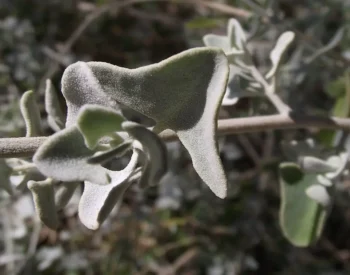
Griffiths’ saltbush is a multi-stemmed woody shrub that typically stays under 13-16 feet tall, though it usually remains much smaller in typical garden settings. Like other members of the saltbush family, it sports small, grayish-green leaves that give it a distinctive silvery appearance. The flowers are small and inconspicuous – this plant is all about function over flash.
A Word of Caution: This One’s Special
Before you rush out to find this plant, here’s something important to know: Griffiths’ saltbush has a Global Conservation Status of S2S3, meaning it’s considered somewhat rare in its natural habitat. If you decide to grow this unique native, please make sure you’re sourcing it responsibly from reputable native plant nurseries that propagate their own stock rather than collecting from wild populations.
Why Grow Griffiths’ Saltbush?
This might not be the showiest plant in your garden, but it brings some serious benefits:
- Ultimate drought tolerance: Once established, this shrub can survive on minimal water
- Native habitat value: Supports local desert ecosystems
- Low maintenance: Requires very little care once settled in
- Soil flexibility: Thrives in poor, alkaline soils where other plants struggle
- Year-round structure: Provides consistent form in the landscape
Perfect Garden Settings
Griffiths’ saltbush shines in:
- Xeriscape and desert gardens
- Low-water landscape designs
- Native plant collections
- Areas with poor or alkaline soil
- Hot, sunny locations where other plants fail
Growing Conditions and Care
This desert native is surprisingly easy to please – as long as you don’t overdo the pampering:
- Sunlight: Full sun is essential
- Soil: Well-draining soil is crucial; alkaline soils are preferred
- Water: Drought tolerant once established; overwatering can be fatal
- Climate: Hardy in USDA zones 7-10
- Wetland status: Facultative upland – typically grows in non-wetland areas
Planting and Care Tips
Getting your Griffiths’ saltbush off to a good start is straightforward:
- Timing: Plant in fall for best establishment
- Watering: Water regularly the first season, then back off significantly
- Soil preparation: Ensure excellent drainage – this plant hates wet feet
- Maintenance: Minimal pruning needed; light shaping if desired
- Fertilization: None needed – this plant thrives in poor soils
Wildlife and Pollinator Considerations
While Griffiths’ saltbush is wind-pollinated and doesn’t offer the nectar-rich blooms that butterflies and bees love, it still plays an important role in desert ecosystems. As part of a diverse native plant community, it contributes to the overall habitat value of your landscape.
The Bottom Line
Griffiths’ saltbush isn’t for every garden or every gardener. If you’re looking for colorful blooms and lush foliage, you’ll want to look elsewhere. But if you’re creating a water-wise landscape in the Southwest and want to include rare native species, this tough little shrub could be exactly what you need. Just remember to source it responsibly and give it the sunny, well-draining conditions it craves. In return, you’ll have a piece of authentic desert heritage that will thrive with minimal care for years to come.