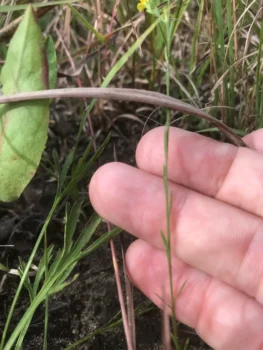
Grooved Flax: A Delicate Native Wildflower Worth Protecting
If you’re looking to add a touch of delicate charm to your native plant garden, grooved flax (Linum sulcatum var. sulcatum) might just be the perfect candidate. This petite annual wildflower brings understated beauty to naturalized landscapes while supporting local pollinators and preserving our native plant heritage.
Meet the Grooved Flax
Grooved flax is a native North American annual that belongs to the forb family – essentially a non-woody herbaceous plant that completes its entire life cycle in a single growing season. Don’t let its modest size fool you; this little wildflower packs quite a punch when it comes to ecological value and garden appeal.
You might occasionally see this plant listed under its scientific synonyms Cathartolinum sulcatum or Mesynium sulcatum, but Linum sulcatum var. sulcatum is the accepted name botanists use today.
Where Grooved Flax Calls Home
This hardy little plant has quite an impressive range across North America. You’ll find grooved flax growing naturally from the Canadian provinces of Manitoba, Ontario, Quebec, and Saskatchewan, all the way down through most of the eastern and central United States. Its distribution spans from New Hampshire and Vermont in the northeast to Florida and Texas in the south, and westward to North Dakota, Kansas, and Nebraska.
- Species observed
- No observations
A Conservation Concern
Here’s something important every gardener should know: grooved flax is listed as endangered in New Jersey, where it holds a rarity status of S1 (critically imperiled). This means if you’re interested in growing this species, it’s crucial to source your seeds or plants responsibly from reputable native plant nurseries – never collect from wild populations.
By growing grooved flax in your garden, you’re actually participating in conservation efforts to protect this vulnerable species.
Garden Appeal and Design Role
Grooved flax brings a delicate, fine-textured element to native plant gardens with its slender stems and small, cheerful yellow flowers. Each bloom features five petals that create a simple but charming display throughout the growing season. The plant’s modest stature and airy appearance make it an excellent choice for:
- Wildflower meadows and prairie restorations
- Native plant borders and naturalized areas
- Pollinator gardens focused on supporting local wildlife
- Educational gardens showcasing regional flora
While grooved flax won’t be the showstopper of your garden, it serves as wonderful supporting cast, filling in gaps and adding textural interest alongside more prominent native species.
Pollinator and Wildlife Benefits
Those small yellow blooms are pollinator magnets, attracting various small bees, flies, and other beneficial insects. As a native species, grooved flax has co-evolved with local pollinators, making it particularly valuable for supporting regional ecosystems. The seeds also provide food for small birds and other wildlife.
Growing Conditions and Care
One of the best things about grooved flax is its low-maintenance nature. This adaptable native thrives in:
- Light: Full sun conditions
- Soil: Well-drained soils; tolerates poor, sandy, or rocky conditions
- Hardiness: USDA zones 3-9
- Moisture: Drought tolerant once established
As an annual, grooved flax will complete its life cycle in one growing season, but don’t worry – it readily self-seeds under the right conditions, ensuring future generations in your garden.
Planting and Establishment Tips
Getting grooved flax established in your garden is refreshingly straightforward:
- Direct seed in fall for natural stratification over winter, or in early spring
- Scatter seeds on prepared soil surface and lightly rake in
- No fertilization needed – this plant actually prefers lean soils
- Water lightly until germination occurs, then reduce watering
- Allow some plants to go to seed for natural regeneration
The key is to mimic the plant’s natural habitat conditions: plenty of sun, good drainage, and minimal soil fertility.
Is Grooved Flax Right for Your Garden?
If you’re passionate about native plants, interested in supporting pollinators, and appreciate subtle garden beauty, grooved flax is definitely worth considering. It’s particularly suitable for gardeners who:
- Want to create authentic regional plant communities
- Prefer low-maintenance, drought-tolerant species
- Are interested in conservation gardening
- Enjoy watching small pollinators and wildlife
Remember, by choosing to grow this endangered species, you’re not just adding beauty to your landscape – you’re participating in preserving an important piece of North America’s natural heritage. Just make sure to source your seeds responsibly and let this charming little wildflower work its quiet magic in your native plant garden.