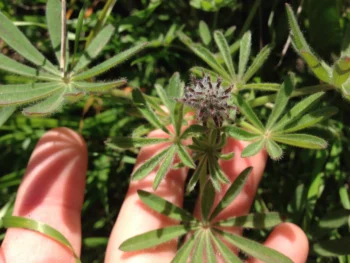
Guadalupe Island Lupine: A Rare Treasure Best Left Wild
Meet the Guadalupe Island lupine (Lupinus guadalupensis), one of nature’s most exclusive plants. This isn’t your typical garden center find – it’s a botanical rarity that tells a compelling story about conservation and the delicate balance of island ecosystems.
What Makes This Lupine So Special?
The Guadalupe Island lupine belongs to the beloved lupine family, known for their distinctive spikes of pea-like flowers. As an annual forb, this plant completes its entire life cycle in just one growing season, making every generation precious. Unlike woody shrubs or trees, it’s a soft-stemmed herbaceous plant that emerges, blooms, sets seed, and returns to the earth within a year.
You might also encounter this species listed under its scientific synonyms: Lupinus aliclementinus or Lupinus moranii, but Lupinus guadalupensis is the accepted name.
Where Does It Call Home?
This lupine is native to California, though its distribution is incredibly limited. The plant’s very name hints at its connection to Guadalupe Island, and its rarity makes it one of the most geographically restricted lupines in North America.
- Species observed
- No observations
The Conservation Reality Check
Here’s where things get serious: the Guadalupe Island lupine carries a Global Conservation Status of S2, meaning it’s imperiled. With typically only 6 to 20 known occurrences and fewer than 3,000 individual plants remaining in the wild, this species is fighting for survival.
What does this mean for gardeners? Simply put, this isn’t a plant you should be growing in your backyard – at least not without very special circumstances.
Should You Plant Guadalupe Island Lupine?
The short answer is: probably not. Here’s why:
- Extreme rarity makes wild collection devastating to remaining populations
- Seeds and plants are not commercially available through normal channels
- Growing conditions and care requirements are poorly understood
- Conservation efforts should take priority over cultivation
If you’re absolutely determined to work with this species, only do so with responsibly sourced material from legitimate conservation programs or botanical institutions. Never collect from wild populations.
Better Alternatives for Your Garden
Love the idea of lupines in your landscape? Consider these more readily available and garden-friendly alternatives:
- Arroyo lupine (Lupinus succulentus) – California native, annual
- Sky lupine (Lupinus nanus) – Another California annual with stunning blue flowers
- Silver bush lupine (Lupinus albifrons) – Perennial shrub form
- Russell hybrid lupines – Dramatic perennial border plants
The Bigger Picture
The story of Guadalupe Island lupine reminds us that not every beautiful plant belongs in our gardens. Sometimes the most loving thing we can do for a species is to admire it from afar and support conservation efforts that protect its natural habitat.
As gardeners, we have the power to make a difference by choosing abundant native species, supporting habitat conservation, and spreading awareness about rare plants like this remarkable lupine. Your garden can be a haven for biodiversity without putting endangered species at risk.
So while you might not be growing Guadalupe Island lupine in your backyard, you can honor its existence by creating pollinator-friendly spaces with its more common cousins – and maybe, just maybe, you’ll help ensure that future generations can marvel at this botanical treasure in its wild island home.