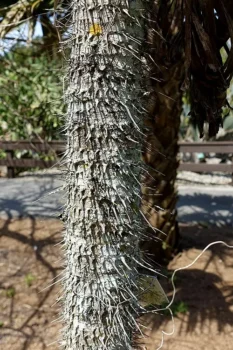
Guinea Bactris: A Rare Caribbean Palm Worth Protecting
Meet the Guinea bactris (Aiphanes minima), a small but mighty palm tree that’s become one of Puerto Rico’s most endangered botanical treasures. This spiny-trunked beauty might not be the easiest palm to find at your local nursery, and there’s a very good reason for that – it’s critically rare in the wild.
What Makes Guinea Bactris Special?
The Guinea bactris is a compact palm tree that typically grows 13-16 feet tall, though it can sometimes stay shorter depending on growing conditions. What sets it apart from other palms is its distinctively spiny trunk and elegant feather-like fronds that create a striking architectural presence in any landscape.
This perennial tree is also known by several scientific names throughout botanical history, including Aiphanes acanthophylla and Bactris acanthophylla, reflecting its journey through taxonomic classification.
Where Does It Come From?
Guinea bactris is endemic to Puerto Rico, meaning it naturally occurs nowhere else on Earth. This Caribbean native has adapted to the island’s unique tropical climate and growing conditions over thousands of years.
- Species observed
- No observations
A Conservation Alert: Handle With Care
Here’s where things get serious. Guinea bactris has a Global Conservation Status of S1, which means it’s critically imperiled. With typically five or fewer known populations and fewer than 1,000 individual plants remaining in the wild, this palm is teetering on the edge of extinction.
What this means for gardeners: If you’re interested in growing Guinea bactris, you should only obtain plants from reputable sources that practice responsible propagation. Never collect plants from the wild, and always verify that any nursery stock comes from legally propagated material.
Growing Guinea Bactris: For the Dedicated Tropical Gardener
This palm is definitely not for beginners or those living in temperate climates. Guinea bactris thrives only in USDA hardiness zones 10-11, requiring consistently warm, humid tropical conditions year-round.
Ideal Growing Conditions
- Warm temperatures (never below 50°F)
- High humidity
- Well-draining soil
- Partial to full sun
- Protection from strong winds
- Regular watering without waterlogging
Landscape Role and Design Ideas
When grown successfully, Guinea bactris makes an excellent specimen plant in tropical gardens. Its compact size makes it perfect for smaller spaces where larger palms would overwhelm the landscape. The spiny trunk adds textural interest, while the graceful fronds provide that classic tropical ambiance.
This palm works beautifully in:
- Botanical gardens and conservation collections
- Tropical landscape designs
- Container gardens in warm climates
- Educational plantings focused on Caribbean flora
Supporting Wildlife and Ecosystem Health
Like many palms, Guinea bactris produces flowers that can attract small insects, contributing to local pollinator networks. In its native Puerto Rican habitat, it likely plays important ecological roles that we’re still learning about – another reason why conservation efforts are so crucial.
The Bottom Line
Guinea bactris represents both an opportunity and a responsibility. If you live in a suitable tropical climate and can source plants responsibly, growing this rare palm can be a meaningful way to participate in conservation efforts. However, its extreme rarity means it’s not a casual garden choice.
For most gardeners interested in supporting native Caribbean plants, consider exploring other Puerto Rican natives that are more readily available and less threatened. But for serious collectors and conservationists with the right growing conditions, Guinea bactris offers a chance to help preserve a truly unique piece of Caribbean botanical heritage.
Remember: every responsibly grown Guinea bactris is a small victory for conservation, but only when sourced ethically and grown with the respect this rare species deserves.