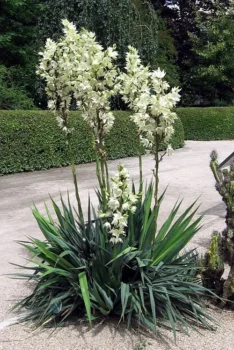
Gulf Coast Yucca: A Stunning Native for Southern Gardens
Looking for a dramatic, low-maintenance plant that can handle scorching heat and forget-to-water moments? Meet the Gulf Coast yucca (Yucca louisianensis), a spectacular native that’s perfectly at home in the American South. This architectural beauty brings desert vibes to your garden while supporting local ecosystems—though there are a few important things to know before you plant one.
What is Gulf Coast Yucca?
Gulf Coast yucca is a perennial native plant that forms striking rosettes of sword-like leaves. Despite being classified as a forb herb (meaning it lacks woody tissue), this tough customer acts more like a succulent shrub in the garden. You might also see it listed under its former scientific names, including Yucca arkansana var. paniculata or Yucca freemanii, but rest assured—it’s the same fantastic plant.
Where Does It Naturally Grow?
This native beauty calls the south-central United States home, naturally occurring in Arkansas, Louisiana, Oklahoma, and Texas. It’s perfectly adapted to the hot, humid summers and mild winters of this region, making it an excellent choice for gardeners in these states who want to work with nature rather than against it.
- Species observed
- No observations
Why You’ll Love Gulf Coast Yucca
Gulf Coast yucca earns its place in the garden through sheer dramatic flair. When it decides to bloom—which can take several years—it sends up an impressive flower spike that can tower several feet above the foliage. These spikes are loaded with creamy white, bell-shaped flowers that create a stunning vertical accent in the landscape.
The plant’s rosette of blue-green to gray-green leaves provides year-round structure and interest, making it perfect for:
- Xeriscapes and drought-tolerant gardens
- Native plant landscapes
- Rock gardens and desert-themed designs
- Low-maintenance foundation plantings
- Accent pieces in perennial borders
Pollinator and Wildlife Benefits
While Gulf Coast yucca may look exotic, it’s actually a valuable native plant for supporting local wildlife. The flowers are specifically adapted to attract yucca moths, which are the plant’s primary pollinators in a fascinating example of co-evolution. Other pollinators and beneficial insects also visit the blooms, making this plant a worthy addition to any pollinator garden.
Growing Gulf Coast Yucca Successfully
One of the best things about Gulf Coast yucca is how easy it is to grow—once you understand its basic needs. This plant is happiest in USDA hardiness zones 7-10, which aligns perfectly with its native range.
Ideal Growing Conditions
- Sunlight: Full sun (6+ hours of direct sunlight daily)
- Soil: Well-draining sandy or rocky soil; avoid heavy clay or constantly moist conditions
- Water: Drought tolerant once established; actually prefers dry conditions
- Space: Allow plenty of room for the mature rosette to spread
Planting and Care Tips
Plant your Gulf Coast yucca in spring to give it a full growing season to establish. Choose your location carefully—this plant doesn’t like to be moved once settled. Water regularly the first year to help establish roots, then back off significantly. Overwatering is more likely to kill your yucca than drought!
Remove spent flower stalks after blooming to keep the plant looking tidy, but otherwise, this is a remarkably low-maintenance plant. No fertilizing, no pruning, no fussing required.
Important Conservation Note
Before you rush out to buy a Gulf Coast yucca, there’s something important to know: this species is considered critically rare in Arkansas, with an S1 rarity status. This means the plant is extremely uncommon in that state and potentially at risk.
If you’re interested in growing Gulf Coast yucca, please source your plants responsibly from reputable nurseries that propagate their own stock rather than collecting from wild populations. Better yet, look for nurseries that specialize in native plants and can verify the origin of their yucca specimens.
Is Gulf Coast Yucca Right for Your Garden?
Gulf Coast yucca is an excellent choice if you:
- Live in its native range (Arkansas, Louisiana, Oklahoma, or Texas)
- Have a sunny, well-draining location
- Want a low-maintenance, drought-tolerant plant
- Appreciate architectural, statement plants
- Are creating a native or xeriscape garden
However, you might want to choose a different plant if you have heavy clay soil, a shady garden, or prefer plants that bloom reliably every year.
The Bottom Line
Gulf Coast yucca offers southern gardeners a chance to grow a truly spectacular native plant that’s perfectly adapted to local conditions. While it requires patience (those dramatic flower spikes don’t appear overnight), the payoff is a stunning, low-maintenance plant that supports local wildlife and adds unique architectural interest to your landscape. Just remember to source your plants responsibly and give this beautiful native the sunny, well-draining spot it craves.