Guyandotte Beauty: A Rare Native Gem for Your Shade Garden
If you’re looking for a unique native plant that will make your shade garden stand out, let me introduce you to Guyandotte beauty (Synandra hispidula). This charming little perennial might not be the showiest plant in the garden, but what it lacks in flashiness, it makes up for in character and ecological value.
What Makes Guyandotte Beauty Special?
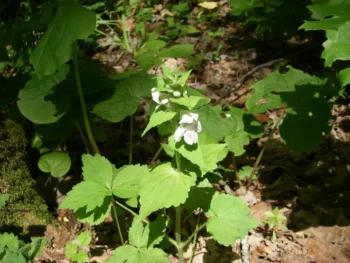
Guyandotte beauty is a delightful native forb – that’s garden-speak for a soft-stemmed herbaceous plant that comes back year after year. This perennial produces small, tubular flowers in shades of white to pale purple that bloom in early spring, making it one of the first native plants to provide nectar for hungry pollinators emerging from winter.
The plant gets its distinctive look from its heart-shaped, hairy leaves that give it a soft, fuzzy texture. It’s a low-growing woodland plant that naturally forms small colonies in shaded areas, making it perfect for naturalizing in the right conditions.
Where Does It Call Home?
This native beauty has a somewhat limited natural range, growing in nine states across the southeastern and south-central United States: Alabama, Illinois, Indiana, Kentucky, North Carolina, Ohio, Tennessee, Virginia, and West Virginia. It’s particularly at home in the Appalachian regions where it thrives in rich, wooded environments.
- Species observed
- No observations
A Word of Caution: Rarity Matters
Here’s something important to know: Guyandotte beauty is considered critically imperiled (S1 status) in Alabama, meaning it’s quite rare in the wild. If you’re interested in adding this plant to your garden, please make sure you source it responsibly from reputable native plant nurseries that propagate their own stock rather than wild-collecting. Never harvest this plant from the wild!
Why Grow Guyandotte Beauty?
Despite its rarity, there are several compelling reasons to consider this native plant for your garden:
- Early pollinator support: Its spring blooms provide crucial nectar when few other flowers are available
- Low maintenance: Once established, it requires minimal care
- Shade tolerance: Perfect for those tricky shaded spots where many plants struggle
- Native plant gardening: Supports local ecosystems and biodiversity
- Unique character: Adds an interesting texture and form to woodland gardens
Perfect Garden Settings
Guyandotte beauty is ideally suited for:
- Woodland gardens and natural areas
- Shade gardens under trees
- Native plant restoration projects
- Rain gardens (it can handle some moisture variation)
- Naturalized landscape areas
Growing Conditions and Care
This adaptable little plant is surprisingly flexible when it comes to moisture conditions. Depending on your region, it can handle everything from slightly wet conditions to drier upland areas, though it generally prefers consistent moisture without being waterlogged.
Ideal growing conditions include:
- Light: Partial to full shade
- Soil: Moist, well-draining soil rich in organic matter
- Hardiness zones: 5-8
- Moisture: Consistent moisture, but adaptable to some variation
Planting and Care Tips
Getting Guyandotte beauty established in your garden is relatively straightforward:
- Best planting time: Fall planting allows roots to establish before spring growth
- Soil preparation: Amend heavy clay or sandy soils with compost or leaf mold
- Spacing: Allow room for natural spreading – this plant likes to form small colonies
- Mulching: Apply a thin layer of organic mulch to retain moisture and suppress weeds
- Watering: Water regularly the first year; once established, it’s quite drought-tolerant in shade
- Maintenance: Very low maintenance – just remove any dead foliage in late winter
The Bottom Line
Guyandotte beauty may be a subtle addition to your garden, but it’s one that comes with a big ecological impact. By choosing this rare native plant (from responsible sources!), you’re supporting biodiversity, providing for pollinators, and adding a unique conversation piece to your shade garden. While it may not be the star of the show, sometimes the most interesting gardens are made up of these quiet, characterful plants that tell a story about our local landscapes.
Just remember: if you decide to grow this special plant, always source it from reputable nurseries that propagate their own stock. Let’s help this rare beauty thrive in our gardens while protecting it in the wild!