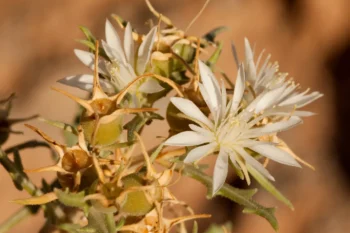
Gypsum Blazingstar: A Rare Native Gem That Needs Our Protection
Meet the gypsum blazingstar (Mentzelia humilis var. guadalupensis), a little-known native wildflower that’s as rare as it is intriguing. This delicate annual or perennial forb represents one of nature’s more specialized creations, adapted to very specific conditions in the American Southwest.
What Makes Gypsum Blazingstar Special?
As its common name suggests, this blazingstar has a particular affinity for gypsum-rich soils, making it a true habitat specialist. Unlike its showier cousins in the Mentzelia family, this variety has remained relatively unknown to most gardeners—and for good reason. It’s what botanists call an endemic, meaning it exists in only a very limited geographic area.
Where Does It Call Home?
The gypsum blazingstar is a proud New Mexican native, found naturally only within the state’s borders. This incredibly restricted range makes it a true regional treasure, adapted to the unique soil chemistry and climate conditions of its desert homeland.
- Species observed
- No observations
A Plant That Deserves Respect
Here’s where things get serious: this plant carries a Global Conservation Status of S4T2, indicating it’s quite rare in the wild. While the exact implications of this status aren’t fully defined in current databases, any plant with such restricted distribution deserves our careful consideration.
As a responsible gardener, this means thinking twice before adding gypsum blazingstar to your landscape. If you’re determined to grow this rare beauty, you absolutely must ensure your plant material comes from ethical, sustainable sources—never from wild collection.
Garden Potential and Considerations
The gypsum blazingstar grows as a forb—essentially a non-woody flowering plant that may be annual or perennial. Like other members of the blazingstar family, it likely produces cheerful, star-shaped flowers, though specific details about this variety’s appearance are scarce in horticultural literature.
Given its specialized soil requirements and rarity, this isn’t a plant for the casual weekend gardener. It would be best suited for:
- Specialized native plant gardens
- Conservation-focused botanical collections
- Educational landscapes highlighting rare regional flora
- Rock gardens with appropriate soil amendments
Growing Conditions: Specialty Requirements
While specific cultivation information for this variety is limited, its name gives us important clues. Gypsum blazingstar suggests this plant requires:
- Gypsum-rich or alkaline soils
- Excellent drainage (typical of desert plants)
- Low to moderate water requirements
- Full sun exposure
- Minimal soil organic matter
The Bottom Line for Gardeners
Should you plant gypsum blazingstar? The honest answer is: probably not, unless you’re a serious native plant conservationist with access to ethically sourced seeds or plants. This rare variety is better appreciated in its natural habitat or in specialized botanical collections.
If you’re drawn to blazingstars for your New Mexico garden, consider more common native Mentzelia species that can provide similar aesthetic appeal without the conservation concerns. Your local native plant society can point you toward beautiful, locally appropriate alternatives that won’t put pressure on rare wild populations.
Supporting Conservation
The best way to grow gypsum blazingstar might be to support habitat conservation efforts in New Mexico. Sometimes the most loving thing we can do for a rare plant is simply let it be wild and work to protect the places where it naturally thrives.
Remember: great gardeners aren’t just plant growers—we’re also plant protectors. And sometimes that means admiring from a distance and choosing more abundant alternatives for our home landscapes.