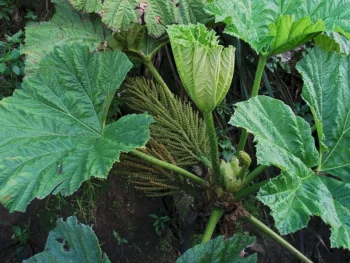
Haha (Gunnera petaloidea): A Rare Hawaiian Native Worth Protecting
Meet haha, one of Hawaii’s most charming yet lesser-known native plants. Also called ‘ape’ape, this delightful perennial deserves a spot in your native Hawaiian garden – but with an important caveat we’ll discuss below.
What Makes Haha Special?
Gunnera petaloidea is a true Hawaiian treasure, found nowhere else on Earth. This endemic forb (that’s a fancy term for a non-woody plant) has captured the hearts of native plant enthusiasts with its unique characteristics and important ecological role.
Unlike its giant cousin Gunnera manicata that you might see in botanical gardens, our Hawaiian haha is a modest ground-hugger with kidney-shaped leaves that create lovely carpets in shaded, moist areas. It’s the perfect example of how native plants have evolved to thrive in Hawaii’s unique climate and conditions.
Where Does Haha Grow?
Haha is exclusively found in Hawaii, making it a true island endemic. You’ll discover this little beauty growing naturally in wet forests and boggy areas throughout the Hawaiian Islands.
- Species observed
- No observations
A Word of Caution: Rarity Matters
Here’s the important part: haha has a conservation status that suggests it’s quite rare in the wild. Before you get excited about adding this plant to your garden, it’s crucial to source it responsibly. Never collect plants from wild populations – this can harm already vulnerable species.
If you’re interested in growing haha, work with reputable native plant nurseries that propagate plants ethically from cultivated stock. This way, you’re helping preserve the species rather than depleting wild populations.
Growing Haha Successfully
Want to give haha a happy home in your garden? Here’s what this Hawaiian native loves:
- Moisture: As a facultative wetland plant, haha thrives with consistent moisture but can tolerate occasional drier conditions
- Shade: Partial to full shade works best – think forest floor conditions
- Humidity: High humidity mimics its natural habitat
- Protection: Shield from strong winds and harsh sun
- Climate: Best suited for USDA zones 10-12 (tropical conditions)
Perfect Garden Companions
Haha works beautifully in:
- Native Hawaiian restoration gardens
- Shade gardens with other Hawaiian natives
- Bog or wetland gardens
- Ground cover in moist, shaded areas
Pair it with other native Hawaiian plants like native ferns, ‘ōhi’a lehua, and koa for an authentic island ecosystem in your backyard.
Care and Maintenance
Once established, haha is relatively low-maintenance, but it does have some specific needs:
- Keep soil consistently moist but not waterlogged
- Provide protection from afternoon sun
- Maintain high humidity around the plant
- Remove any competing weeds gently
- Avoid fertilizers – native plants often prefer lean soils
Supporting Conservation Through Gardening
By choosing to grow haha responsibly, you’re doing more than just beautifying your garden – you’re participating in conservation. Native Hawaiian plants face numerous threats, from habitat loss to invasive species. Home gardeners can play a vital role in preserving these unique species for future generations.
Remember, the key is sourcing plants responsibly and never collecting from wild populations. When grown with care and respect for its conservation status, haha can be a wonderful addition to any native Hawaiian garden, connecting you to the islands’ unique natural heritage while supporting important preservation efforts.