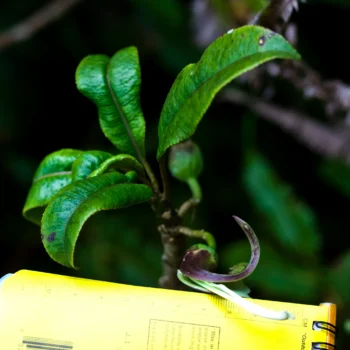
Haha’aiakamanu: A Rare Hawaiian Native Worth Protecting in Your Garden
If you’re passionate about native Hawaiian plants and looking to add something truly special to your garden, meet the haha’aiakamanu (Clermontia fauriei). This enchanting native shrub represents the unique beauty of Hawaii’s endemic flora, but it comes with both rewards and responsibilities for the dedicated gardener.
What Makes Haha’aiakamanu Special
Known botanically as Clermontia fauriei, this perennial shrub belongs to Hawaii’s remarkable lobelioid family. The plant typically grows as a multi-stemmed woody shrub, usually staying under 13-16 feet in height, making it perfect for understory plantings in forest gardens.
What really catches the eye are its distinctive tubular flowers, which range from white to pale pink. These blooms aren’t just pretty – they’re part of an ancient evolutionary story that connects this plant to native Hawaiian honeycreeper birds that once served as its primary pollinators.
Where You’ll Find This Hawaiian Gem
Haha’aiakamanu is endemic to Hawaii, naturally occurring across the major islands including Kauai, Oahu, Molokai, Maui, and the Big Island. This plant has made itself at home throughout the Hawaiian archipelago, but only in Hawaii.
- Species observed
- No observations
A Word of Caution: Rarity Matters
Before you rush to add this beauty to your garden, there’s something important to know. Clermontia fauriei carries a conservation status of S3S4, indicating it faces some conservation concerns. This means if you choose to grow this plant, you absolutely must source it responsibly from reputable native plant nurseries or conservation programs – never collect from the wild.
Is Haha’aiakamanu Right for Your Garden?
This native Hawaiian shrub shines in specific garden settings:
- Native Hawaiian forest gardens
- Shaded understory plantings
- Conservation-focused landscapes
- Gardens emphasizing indigenous Hawaiian flora
However, this plant isn’t for everyone. It’s quite particular about its growing conditions and thrives only in tropical to subtropical climates (USDA zones 10-12).
Growing Conditions That Make It Happy
Think cool, moist Hawaiian forest when planning for haha’aiakamanu:
- Light: Partial to full shade – direct sun is not its friend
- Soil: Well-draining but consistently moist, rich in organic matter
- Humidity: High humidity levels essential
- Protection: Shelter from strong winds
- Water status: Facultative for wetlands, meaning it can handle both wet and moderately dry conditions
Planting and Care Tips
Successfully growing haha’aiakamanu requires attention to detail:
- Choose a protected, shady spot that mimics native forest conditions
- Ensure consistent moisture without waterlogging
- Use organic-rich, well-draining soil
- Maintain high humidity around the plant
- Be patient – this isn’t a fast-growing plant
- Source only from reputable native plant suppliers
Supporting Native Ecosystems
While the original native honeycreeper pollinators have largely disappeared, growing haha’aiakamanu still contributes to preserving Hawaii’s unique botanical heritage. This plant represents thousands of years of evolution specific to the Hawaiian Islands.
The Bottom Line
Haha’aiakamanu offers dedicated native plant enthusiasts the chance to grow something truly special – a piece of Hawaii’s endemic flora. However, it’s not a casual garden choice. This plant demands specific growing conditions, responsible sourcing, and a commitment to conservation. If you’re up for the challenge and can provide the right environment, you’ll be rewarded with a unique native Hawaiian shrub that connects your garden to the islands’ incredible natural heritage.
Remember: only pursue this plant if you can source it responsibly and provide the specialized care it needs to thrive.