Hair-like Sedge: A Delicate Native Beauty for Cool, Wet Gardens
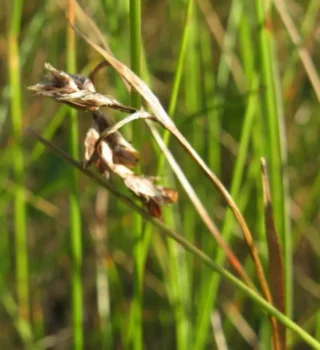
If you’re searching for a graceful, fine-textured native plant that thrives in cooler climates and moist conditions, hair-like sedge might just be the hidden gem your garden needs. This charming perennial sedge (Carex capillaris) brings a soft, ethereal quality to landscapes with its delicate, hair-like foliage that sways gently in the breeze.
What Makes Hair-like Sedge Special?
Hair-like sedge is a true native treasure with an impressive range that spans across Alaska, Canada, Greenland, and many northern U.S. states. You’ll find this adaptable sedge growing naturally from the Arctic tundra down through the Rocky Mountains and into the Great Lakes region, making it one of nature’s most widely distributed sedges.
This remarkable plant calls home to an extensive range including Alberta, British Columbia, Alaska, Manitoba, New Brunswick, Nova Scotia, Ontario, Colorado, Quebec, Saskatchewan, Yukon, Northwest Territories, Nunavut, Idaho, Maine, Michigan, Minnesota, Montana, Nevada, New Hampshire, New Mexico, New York, North Dakota, Oregon, South Dakota, Utah, Vermont, Washington, Wisconsin, Wyoming, Labrador, and Newfoundland.
- Species observed
- No observations
Garden Appeal and Design Role
What sets hair-like sedge apart is its incredibly fine texture and semi-erect growth habit. Reaching about 1.7 feet tall, this sedge forms neat bunches that create beautiful textural contrast in the garden. The green foliage maintains a porous quality that allows light to filter through, creating an almost translucent effect that’s particularly stunning when backlit.
In garden design, hair-like sedge excels as:
- A naturalistic ground cover in woodland settings
- An accent plant in rock or alpine gardens
- A key component in wetland restoration projects
- A textural element in native plant gardens
- A soft border plant along water features
Growing Conditions and Care
Hair-like sedge is remarkably adaptable to various soil types, thriving in both fine and medium-textured soils. However, it does have some specific preferences that are important to understand:
Moisture Requirements: This sedge has a Facultative Wetland status across all regions, meaning it usually grows in wetlands but can tolerate some drier conditions. Plan to provide consistent moisture, especially during the growing season.
Soil Preferences: Hair-like sedge performs best in soils with a pH between 5.8 and 7.4, showing good tolerance for slightly acidic to neutral conditions. It has high tolerance for anaerobic (low-oxygen) conditions, making it excellent for wet areas where other plants struggle.
Light Requirements: One of the most appealing aspects of this sedge is its shade tolerance. It can thrive in partially shaded locations where many other grasses would fail.
Climate Adaptation: Extremely cold hardy (tolerating temperatures down to -43°F), this sedge is perfect for northern gardeners in USDA zones 2-6. It requires at least 80 frost-free days and annual precipitation between 18-55 inches.
Planting and Establishment
Hair-like sedge blooms in late spring with inconspicuous green flowers, followed by small brown seeds in summer. While the plant can be propagated by seed, bare root, or sprigs, there’s one significant challenge: commercial availability is extremely limited.
If you’re lucky enough to source this plant, here are some planting tips:
- Plant in spring after the last frost
- Space plants according to desired coverage (2,700-4,800 plants per acre for large installations)
- Ensure consistent moisture during establishment
- Be patient – this sedge has a moderate growth rate and low seedling vigor
- Minimum root depth requirement is just 6 inches, making it suitable for shallow soil areas
Wildlife and Ecological Benefits
While specific wildlife benefits aren’t well-documented, sedges generally provide important ecosystem services. They offer nesting material for birds, seeds for wildlife, and help stabilize soil in wet areas. As a native plant, hair-like sedge supports local ecosystem health and biodiversity.
Is Hair-like Sedge Right for Your Garden?
Hair-like sedge is an excellent choice if you:
- Garden in a cool, northern climate
- Have consistently moist or wet soil conditions
- Want to create naturalistic plantings with native species
- Need a shade-tolerant grass-like plant
- Appreciate fine textures and subtle beauty
However, this sedge might not be the best fit if you:
- Live in a hot, dry climate
- Prefer showy, colorful flowers
- Need immediate results (slow establishment)
- Have difficulty sourcing the plant
The Bottom Line
Hair-like sedge represents the quiet beauty of native plants – it may not shout for attention, but it offers lasting value through its graceful form, ecological benefits, and remarkable adaptability to challenging growing conditions. While finding this plant commercially may require some detective work, the reward is a truly special addition to the right garden setting.
For gardeners committed to native plant landscaping in cooler climates, hair-like sedge offers an opportunity to grow something genuinely unique while supporting local ecosystems. Just remember to source plants responsibly and be prepared to provide the moist conditions this lovely sedge craves.