Hairspine Pricklypear: A Tough Native Cactus for Low-Maintenance Gardens
Looking for a plant that laughs in the face of drought and still manages to put on a spectacular flower show? Meet the hairspine pricklypear (Opuntia polyacantha var. polyacantha), a remarkably resilient native cactus that’s perfect for gardeners who want maximum impact with minimal fuss.
What Makes Hairspine Pricklypear Special?
This perennial cactus is a true North American native, naturally occurring across an impressive range from Canada down through the Great Plains and into the western United States. You’ll find it thriving in states from Alberta and British Columbia all the way down to Texas and from California to the Dakotas. It’s a plant that has literally stood the test of time across diverse climates and conditions.
- Species observed
- No observations
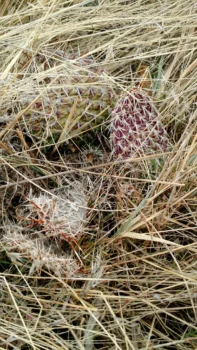
The hairspine pricklypear gets its name from the fine, hair-like spines that cover its distinctive flat, paddle-shaped segments called pads. These pads can spread to form attractive colonies, creating natural ground cover that’s both functional and beautiful.
Garden Appeal and Landscape Uses
Don’t let the word cactus fool you into thinking this plant is all thorns and no charm. In late spring and early summer, hairspine pricklypear produces stunning yellow flowers that seem to glow against the blue-green pads. These blooms later give way to colorful fruits that range from red to purple, adding another season of interest to your garden.
This versatile native works beautifully in:
- Xeriscape and drought-tolerant gardens
- Rock gardens and naturalized areas
- Native plant landscapes
- Slopes and areas with poor soil
- Wildlife gardens focused on native species
Wildlife and Pollinator Benefits
Your local ecosystem will thank you for planting hairspine pricklypear. The bright yellow flowers are magnets for native bees, beetles, and other pollinators who appreciate the abundant nectar and pollen. The fruits provide food for birds and small mammals, while the dense, spiny structure offers shelter and nesting sites for various wildlife species.
Growing Conditions and Care
Here’s where hairspine pricklypear really shines – it’s incredibly easy to grow once you understand its basic needs. This tough customer thrives in USDA hardiness zones 4-9, making it suitable for a wide range of climates.
Ideal growing conditions include:
- Full sun exposure (6+ hours daily)
- Well-draining soil – this is crucial!
- Low to moderate water once established
- Sandy, rocky, or gravelly soils preferred
- Good air circulation
Planting and Care Tips
The secret to success with hairspine pricklypear is remembering that less is definitely more when it comes to care.
Planting: Choose a sunny spot with excellent drainage. If your soil tends to hold water, consider creating a raised bed or mound with added sand and gravel. Plant in spring after the last frost.
Watering: Water sparingly during the first growing season to help establish roots, then reduce watering significantly. Overwatering is the quickest way to kill this drought-adapted native.
Maintenance: Virtually none required! You can remove damaged pads if desired, but wear heavy gloves and use tongs – those spines mean business.
Is Hairspine Pricklypear Right for Your Garden?
This native cactus is perfect for gardeners who want to support local ecosystems while enjoying a low-maintenance, drought-resistant plant with unique beauty. It’s especially valuable in challenging growing conditions where other plants might struggle.
However, consider carefully if you have small children or pets who might encounter the spiny pads. While not aggressive, the hairspine pricklypear does have defensive capabilities that deserve respect.
If you’re ready to embrace native gardening and want a plant that connects you to the natural heritage of North America while requiring minimal resources, hairspine pricklypear might just be your new favorite garden companion. It’s a reminder that sometimes the toughest plants offer the most rewarding gardening experiences.