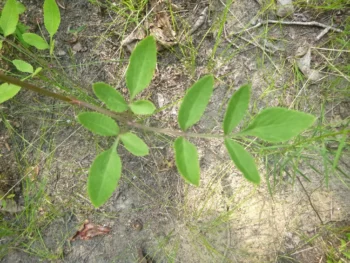
Hairy Angelica: A Stately Native Worth Growing Responsibly
Meet hairy angelica (Angelica venenosa), a towering native perennial that’s as impressive as it is underappreciated. This architectural beauty brings both height and habitat value to gardens, but there’s an important caveat every gardener should know before adding it to their landscape.
What Makes Hairy Angelica Special
Also known by its synonym Angelica villosa, this stately perennial is a true showstopper that can reach 3 to 6 feet tall. Picture large, palmate leaves that look almost tropical paired with distinctive white to greenish-white flower clusters arranged in impressive umbels. It’s the kind of plant that makes visitors stop and ask, What is that magnificent thing?
As a forb (basically a non-woody perennial herb), hairy angelica lacks significant woody tissue but makes up for it with dramatic presence and ecological value. Its flowers create landing platforms for all sorts of beneficial insects, from native bees to beetles and flies.
Where Hairy Angelica Calls Home
This native beauty has quite an impressive range across eastern North America. You’ll find it growing naturally from southeastern Canada down to Florida, and westward to states like Illinois, Missouri, and Oklahoma. It thrives in states including Alabama, Arkansas, Connecticut, Delaware, Florida, Georgia, Illinois, Indiana, Kentucky, Louisiana, Maryland, Massachusetts, Michigan, Minnesota, Mississippi, Missouri, New Jersey, New York, North Carolina, Ohio, Oklahoma, Pennsylvania, South Carolina, Tennessee, Virginia, and West Virginia, plus Ontario, Canada.
- Species observed
- No observations
A Word of Caution: Rarity Matters
Here’s where things get important: while hairy angelica has a broad native range, it’s actually quite rare in some areas. In New Jersey, for example, it carries a rarity status of S1S2, meaning it’s critically imperiled to imperiled in the state. This makes it a conservation priority.
What does this mean for you as a gardener? You can absolutely grow this native beauty, but please source your plants or seeds responsibly. Avoid collecting from wild populations and instead purchase from reputable native plant nurseries that propagate their stock rather than wild-harvest it.
Perfect Spots for Planting
Hairy angelica is incredibly versatile when it comes to garden placement. Here are some ideal spots:
- Back of perennial borders where its height won’t overshadow shorter plants
- Woodland gardens in dappled shade
- Naturalized meadow areas
- Rain gardens and areas with consistent moisture
- As an architectural specimen in mixed native plantings
This adaptable native works well in USDA hardiness zones 4 through 8, handling everything from partial shade to full sun conditions. It’s particularly happy in moist to moderately dry soils and isn’t picky about soil type.
Growing Hairy Angelica Successfully
The good news? Once established, hairy angelica is refreshingly low-maintenance. Here’s how to get started:
- Planting: Direct seed in fall for natural cold stratification, or start seeds indoors with a cold treatment period
- Location: Choose a spot with partial shade to full sun and consistent moisture
- Soil: Tolerates various soil types but prefers moist, well-draining conditions
- Spacing: Give it room to spread – this isn’t a plant for tight quarters
- Maintenance: Minimal once established; may self-seed in favorable conditions
Wildlife and Pollinator Benefits
The umbrella-like flower clusters (umbels) are pollinator magnets, attracting a diverse array of beneficial insects. Native bees, flies, and beetles all visit the flowers, making hairy angelica a valuable addition to pollinator gardens. The plant also provides habitat and food sources for various wildlife species throughout its growing season.
The Bottom Line
Hairy angelica deserves a place in more native gardens. Its impressive stature, pollinator appeal, and easy-going nature make it a winner for gardeners looking to add both height and habitat value to their landscapes. Just remember to source it responsibly – this rare native beauty is worth protecting for future generations while we enjoy it in our own backyards.
By choosing responsibly propagated hairy angelica, you’re not just adding a stunning plant to your garden; you’re also supporting conservation efforts and helping ensure this magnificent native continues to grace our landscapes for years to come.