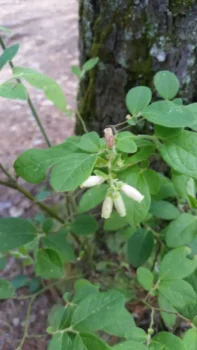
Hairy Blueberry: A Rare Native Gem for Your Woodland Garden
If you’re looking to add a touch of Southeastern charm to your native plant collection, the hairy blueberry (Vaccinium hirsutum) might just be the perfect addition – with one important caveat. This delightful little shrub is a true native treasure, but it’s also quite rare, making it both a wonderful garden choice and a conservation priority.
What Makes Hairy Blueberry Special?
Don’t let the hairy name fool you – this native blueberry is actually quite charming! The hairy blueberry is a perennial shrub that typically grows as a multi-stemmed woody plant, usually staying under 13-16 feet tall. What makes it truly special is its limited range and unique characteristics that set it apart from its more common blueberry cousins.
In spring, this lovely shrub produces small, urn-shaped flowers that range from white to pinkish hues. These blooms eventually give way to small, dark blue berries that wildlife absolutely love. Come fall, the foliage puts on quite a show, turning beautiful shades of red and orange that will make your neighbors stop and stare.
Where Does Hairy Blueberry Call Home?
The hairy blueberry has a very exclusive address – it’s only found naturally in three southeastern states: Georgia, North Carolina, and Tennessee. This limited geographic distribution is part of what makes this species so special, but also why we need to be thoughtful about how we grow it.
- Species observed
- No observations
A Word About Rarity
Here’s where things get important: hairy blueberry has a Global Conservation Status of S3, which means it’s considered vulnerable. With typically only 21 to 100 occurrences and between 3,000 to 10,000 individual plants in the wild, this species needs our help. If you’re interested in growing hairy blueberry, please make sure you source your plants responsibly from reputable native plant nurseries that propagate rather than wild-collect their specimens.
Why Grow Hairy Blueberry?
Despite its rarity (or perhaps because of it), there are several compelling reasons to consider adding hairy blueberry to your landscape:
- Native Authenticity: As a true native species, it supports local ecosystems
- Pollinator Magnet: The spring flowers attract native bees and other beneficial insects
- Wildlife Value: Birds love the berries, making it a great choice for wildlife gardens
- Seasonal Interest: Offers spring flowers, summer berries, and fall color
- Conservation Impact: Growing it helps preserve genetic diversity
Growing Conditions and Care
Hairy blueberry thrives in USDA hardiness zones 6-8, making it suitable for much of the southeastern and mid-Atlantic regions. Like most blueberries, it prefers acidic, well-draining soil and can handle anything from partial shade to full sun.
Here are the key growing requirements:
- Soil: Acidic (pH 4.5-6.0), well-draining
- Light: Partial shade to full sun
- Water: Moderate moisture; drought tolerant once established
- Spacing: Allow room for natural growth habit
Planting and Care Tips
Getting started with hairy blueberry is relatively straightforward:
- Plant in spring or fall when temperatures are moderate
- Dig a hole twice as wide as the root ball but no deeper
- Apply a layer of organic mulch around the base (but not touching the stem)
- Water regularly the first year, then only during dry spells
- Minimal pruning needed – just remove dead or damaged branches
- Avoid fertilizing unless soil tests show specific deficiencies
Perfect Garden Companions
Hairy blueberry works beautifully in woodland gardens, naturalized landscapes, and native plant collections. It pairs well with other southeastern natives like wild azaleas, mountain laurel, and native ferns. Consider it for understory planting beneath taller native trees or as part of a diverse native shrub border.
The Bottom Line
While hairy blueberry might be challenging to find at your typical garden center, it’s absolutely worth seeking out from specialized native plant sources. By growing this rare native species, you’re not just adding beauty to your landscape – you’re participating in conservation efforts and supporting biodiversity in your own backyard. Just remember to source responsibly and give this special shrub the care it deserves.
Your local ecosystem (and the pollinators) will thank you for choosing this authentic native over more common alternatives. Sometimes the best plants are the ones that are a little harder to find!