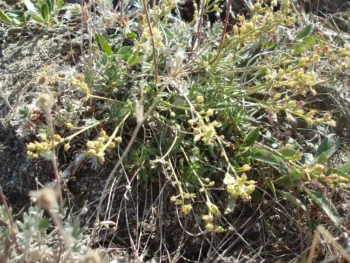
Hairy Braya: An Arctic Treasure Too Precious for Most Gardens
Meet the hairy braya (Braya pilosa), a tiny but mighty perennial that calls Canada’s most remote and frigid regions home. While its name might not sound particularly glamorous, this little Arctic native is actually quite special – and unfortunately, that’s exactly why most of us shouldn’t try to grow it in our gardens.
What Makes Hairy Braya Special
Hairy braya is a compact perennial plant that produces small, delicate flowers ranging from white to pale purple. True to its common name, the plant has a distinctly fuzzy appearance thanks to the fine hairs covering its leaves and stems – an adaptation that helps it survive in harsh Arctic conditions.
You might also see this plant referenced by its synonym, Braya purpurascens ssp. pilosa, in older botanical literature, but Braya pilosa is the currently accepted name.
Where Hairy Braya Calls Home
This Arctic specialist is native to Canada, specifically found in Yukon Territory and the Northwest Territories. It’s perfectly adapted to the extreme conditions of the far north, where summers are brief and winters are long and brutally cold.
- Species observed
- No observations
The Rarity Reality Check
Here’s where things get serious: hairy braya has a Global Conservation Status of S2, which means it’s considered Imperiled. In plain English, this plant is extremely rare, with typically only 6 to 20 known occurrences and somewhere between 1,000 to 3,000 remaining individuals in the wild. This rarity status alone should give any gardener pause.
Why This Plant Isn’t for Your Garden
Even if you could somehow get your hands on hairy braya (which you shouldn’t, given its rarity), here’s why it would be a gardening disaster:
- It requires USDA hardiness zones 1-2 – conditions so cold that most of us have never experienced them
- It needs the specific soil conditions and drainage found in Arctic environments
- It’s adapted to extremely short growing seasons and long periods of dormancy
- It simply cannot survive in temperate garden conditions
The Right Way to Appreciate Hairy Braya
Given its imperiled status, the best thing we can do for hairy braya is to appreciate it where it belongs – in its native Arctic habitat. If you’re planning an adventure to Canada’s far north, keep an eye out for this rare beauty in its natural environment.
If you’re absolutely determined to work with rare Arctic plants, only consider specimens from reputable sources that can guarantee responsible, sustainable collection practices. However, given the extreme growing requirements and conservation concerns, this is really a plant best left to specialized botanical institutions and researchers.
Better Alternatives for Your Garden
Instead of trying to grow hairy braya, consider these cold-hardy native alternatives that can actually thrive in more typical garden settings:
- Other members of the mustard family that are more garden-appropriate
- Cold-hardy native wildflowers suitable for your specific region
- Alpine plants that don’t carry the same conservation concerns
Supporting Arctic Plant Conservation
The best way to help hairy braya is to support organizations working to protect Arctic ecosystems and conduct research on these specialized plant communities. Climate change poses particular threats to Arctic species like hairy braya, making conservation efforts more critical than ever.
Sometimes the most loving thing we can do as gardeners is to admire a plant from afar and focus our growing efforts on species that won’t suffer in our care. Hairy braya is definitely one of those look but don’t touch plants – a precious Arctic gem that’s best appreciated in its wild, windswept homeland.