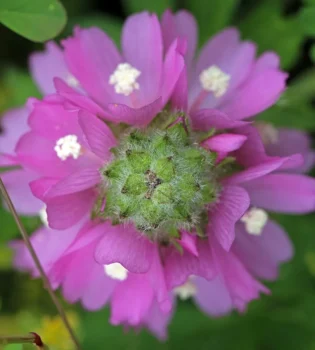
Hairy Checkerbloom: A Rare California Native for Wetland Gardens
Meet the hairy checkerbloom (Sidalcea hirsuta), a charming California native that’s as unique as its name suggests! This delightful annual forb brings a touch of wild beauty to wetland gardens while supporting local ecosystems. If you’re looking to create an authentic California native landscape with a focus on water-wise and wetland gardening, this little-known gem deserves your attention.
What Makes Hairy Checkerbloom Special
Hairy checkerbloom is a true California original, found exclusively within the Golden State’s diverse landscapes. As an annual forb, this plant completes its entire life cycle in just one growing season, making it a fast-growing addition to your garden. The plant produces lovely pink to rose-colored flowers arranged in tall, elegant spikes that bloom from late spring through summer, creating a striking vertical accent in wetland settings.
Where You’ll Find This Native Beauty
This special plant calls California home and only California. It’s naturally distributed throughout various regions of the state, where it thrives in the state’s unique Mediterranean climate and specialized wetland habitats.
- Species observed
- No observations
A Word About Rarity
Here’s something important to know: hairy checkerbloom has a conservation status of S3S4, which indicates it’s somewhat uncommon and deserves our attention. This doesn’t mean you can’t grow it, but it does mean you should source your plants or seeds responsibly from reputable native plant nurseries or seed suppliers. Never collect from wild populations!
Perfect for Wetland Gardens
If you’re dreaming of a water garden, rain garden, or naturalized wetland area, hairy checkerbloom might be your perfect match. This plant is classified as an Obligate Wetland species, meaning it almost always occurs in wetlands in nature. This makes it an excellent choice for:
- Pond and stream edges
- Rain gardens and bioswales
- Seasonal wetland restoration projects
- Native California landscape designs
- Areas with consistently moist soil
Growing Conditions and Care
Success with hairy checkerbloom is all about understanding its wetland preferences. This plant thrives in USDA hardiness zones 8-10, making it well-suited to California’s climate. Here’s what it needs to flourish:
- Moisture: Consistently moist to wet soils – this is non-negotiable!
- Sunlight: Full sun to partial shade
- Soil: Adaptable to various soil types as long as they stay moist
- Planting time: Spring is ideal for establishment
- Maintenance: Low maintenance once established, minimal fertilization needed
Supporting Local Wildlife
Like many native plants, hairy checkerbloom serves as more than just a pretty face in your garden. Its nectar-rich flowers attract native bees and butterflies, making it a valuable addition to pollinator-friendly landscapes. By growing this native species, you’re helping support California’s local ecosystem and providing resources for wildlife that co-evolved with these plants.
Is Hairy Checkerbloom Right for Your Garden?
Consider adding hairy checkerbloom to your garden if you:
- Live in California and want to grow true natives
- Have a consistently moist or wet area in your landscape
- Are creating a rain garden or wetland restoration project
- Want to support local pollinators and biodiversity
- Appreciate unique, lesser-known native plants
However, this plant might not be the best choice if you have dry garden conditions or can’t provide consistent moisture. Remember, as an annual, you’ll need to replant each year or allow it to self-seed in suitable conditions.
The Bottom Line
Hairy checkerbloom represents the incredible diversity of California’s native flora. While it may not be the easiest plant to grow due to its specific moisture requirements, it offers unique beauty and ecological value that make it worth considering for the right garden situation. Just remember to source it responsibly and give it the wet conditions it craves. Your local pollinators will thank you!