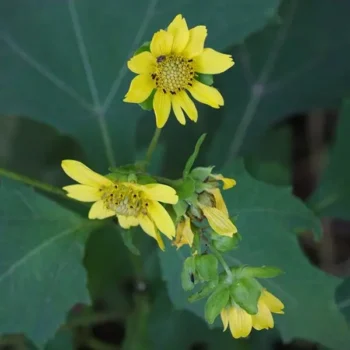
Hairy Leafcup: A Hidden Gem for Native Plant Enthusiasts
If you’re looking to add a touch of wild authenticity to your garden while supporting native biodiversity, let me introduce you to hairy leafcup (Smallanthus uvedalius). This underappreciated native perennial might not win any beauty contests with its name, but it’s a true workhorse in the right garden setting.
What Exactly Is Hairy Leafcup?
Hairy leafcup is a native perennial forb that belongs to the sunflower family. Don’t let the term forb intimidate you – it simply means it’s an herbaceous flowering plant that doesn’t develop woody stems like shrubs or trees. This hardy perennial has been quietly thriving across much of the eastern United States long before any of us started thinking about native gardening.
Where Does It Call Home?
This native beauty has quite an impressive range across the lower 48 states. You’ll find hairy leafcup naturally growing from Alabama and Florida in the south, stretching north through states like Illinois, Michigan, and New York, and reaching as far west as Texas, Kansas, and Oklahoma. It’s truly an eastern and central United States native, spanning from the southeastern coastal plains to the Great Lakes region.
- Species observed
- No observations
A Word of Caution: Rarity Matters
Before you rush out to plant hairy leafcup everywhere, there’s something important you need to know. In New Jersey, this plant is listed as endangered with an S1 rarity status, meaning it’s critically imperiled in that state. If you’re interested in growing this native gem, please make sure you source it from reputable native plant nurseries that propagate their own stock rather than wild-collecting. We want to support these plants, not contribute to their decline!
What Makes It Garden-Worthy?
You might be wondering what hairy leafcup brings to your garden party. Here’s what makes it special:
- Large, distinctive heart-shaped leaves that create interesting texture
- Late-season blooms (late summer to fall) when many other natives are winding down
- Excellent pollinator magnet – bees, butterflies, and other beneficial insects love the flowers
- Low maintenance once established
- Adds authenticity to native plant collections
Perfect Garden Situations
Hairy leafcup isn’t meant for formal flower borders or manicured landscapes – it’s more of a let’s get wild kind of plant. Consider it for:
- Woodland edges and naturalized areas
- Native plant gardens
- Wildlife habitat gardens
- Background plantings where its tall growth won’t overwhelm smaller plants
- Areas where you want that authentic prairie edge or woodland feel
Growing Conditions and Care
The good news is that hairy leafcup is surprisingly adaptable and low-fuss once you understand its preferences:
Light: Partial shade to full sun – it’s quite flexible
Soil: Moist to moderately dry soils; tolerates various soil types
Hardiness: Zones 4-8, making it suitable for most temperate regions
Space considerations: Give it room to spread – this plant can expand via underground rhizomes
Planting and Long-term Care
Once established, hairy leafcup is refreshingly low-maintenance. Here are some tips for success:
- Plant in spring or fall when temperatures are moderate
- Water regularly the first year while roots establish
- After establishment, it’s quite drought-tolerant
- Be prepared to manage its spread if space is limited
- Cut back in late fall or early spring before new growth emerges
- No need for fertilizers – native plants prefer lean soils
Supporting Pollinators and Wildlife
While we don’t have extensive data on all its wildlife benefits, we do know that hairy leafcup’s late-season flowers provide crucial nectar when many other plants have finished blooming. This timing makes it especially valuable for butterflies preparing for migration and bees building up winter stores.
The Bottom Line
Hairy leafcup might not be the showiest plant in your garden, but it’s exactly the kind of steady, reliable native that forms the backbone of healthy ecosystems. If you have space for a naturalized area or want to support native biodiversity while adding authentic regional character to your landscape, this could be your plant.
Just remember – source responsibly, give it appropriate space, and appreciate it for what it is: a genuine piece of North American botanical heritage that’s been quietly doing its job for centuries. Sometimes the most valuable garden residents are the ones that don’t demand constant attention but simply contribute their part to the larger ecosystem puzzle.