Hairy Purslane: A Rare Hawaiian Treasure Worth Protecting
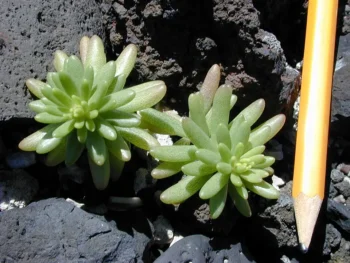
Meet hairy purslane (Portulaca villosa), a tiny succulent that packs a big conservation story. This unassuming little plant might not win any beauty contests, but it’s one of Hawaii’s most precious botanical treasures – and it desperately needs our help to survive.
What Makes Hairy Purslane Special?
Hairy purslane is a perennial forb that belongs to the purslane family. Don’t let the word hairy fool you – this plant is actually quite charming in its own modest way. It’s a low-growing succulent with small, fleshy leaves covered in tiny hairs that give it its common name. The plant produces delicate white to pink flowers that, while small, add a subtle beauty to its appearance.
This little survivor is endemic to the Hawaiian Islands, meaning it exists nowhere else on Earth. It’s perfectly adapted to Hawaii’s unique volcanic landscapes, thriving in the dry, rocky areas that many other plants can’t tolerate.
Where Does Hairy Purslane Grow?
Hairy purslane is found exclusively in Hawaii, where it grows naturally on volcanic slopes and in dry coastal areas. Unfortunately, its range has become severely limited due to habitat loss and other environmental pressures.
- Species observed
- No observations
A Plant in Crisis
Important Conservation Alert: Hairy purslane is critically endangered, with a Global Conservation Status of S1 and is listed as Endangered in the United States. This means there are typically fewer than 5 occurrences or very few remaining individuals (less than 1,000) in the wild. This plant is teetering on the brink of extinction.
If you’re considering growing hairy purslane, please proceed with extreme caution and responsibility. Only obtain plants from reputable conservation organizations or botanical gardens that can guarantee the material is ethically sourced and won’t impact wild populations.
Growing Hairy Purslane: A Conservation Effort
Growing this rare beauty is more than gardening – it’s participating in conservation. Here’s what you need to know:
Ideal Growing Conditions
- Climate: USDA Hardiness Zones 10-11 only (tropical and subtropical)
- Sunlight: Full sun exposure
- Soil: Extremely well-draining, rocky or sandy soil
- Water: Very low water requirements; drought-tolerant once established
Care Tips
- Plant in rock gardens or xerophytic (dry) garden settings
- Ensure excellent drainage – this plant cannot tolerate waterlogged conditions
- Water sparingly; overwatering is the quickest way to kill this drought-adapted species
- Protect from frost and freezing temperatures
- Avoid fertilizing, as rich soils can harm this plant adapted to poor, volcanic soils
Garden Role and Design Uses
In the right climate, hairy purslane works beautifully as:
- Ground cover in rock gardens
- Specimen plant in conservation or native plant gardens
- Addition to succulent collections (for experienced growers)
- Educational plant for demonstrating Hawaiian endemic species
Supporting Conservation
While hairy purslane’s small flowers do attract native Hawaiian insects, its greatest benefit to wildlife comes through habitat preservation. By responsibly cultivating this species, gardeners in appropriate climates can help maintain genetic diversity and potentially support reintroduction efforts.
Should You Grow Hairy Purslane?
The answer depends on your location, experience, and commitment to conservation. Only consider growing hairy purslane if you:
- Live in USDA zones 10-11
- Can source plants ethically from conservation programs
- Have experience with rare or difficult plants
- Can provide the specific growing conditions it requires
- Understand the conservation responsibility involved
If you don’t meet these criteria, consider supporting hairy purslane conservation through donations to Hawaiian botanical gardens or native plant societies instead. Sometimes the best way to help a rare plant is to support the professionals working to save it.
Hairy purslane may be small and unassuming, but it represents something much larger: our responsibility to protect the unique plants that make each place on Earth special. Whether you grow it or simply learn about it, you’re helping ensure that future generations might still have the chance to marvel at this tiny Hawaiian treasure.