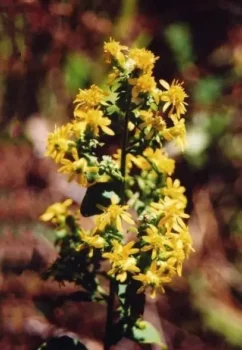
Hairy-Seed Goldenrod: A Rare Native Treasure Worth Protecting
Meet the hairy-seed goldenrod (Solidago villosicarpa), one of nature’s most elusive wildflowers and a true botanical treasure. This perennial native species represents something increasingly precious in our modern world – a plant so rare that encountering it in the wild would be like finding a needle in a haystack.
A Critically Rare Native
Hairy-seed goldenrod holds the distinction of being native to the United States, but don’t expect to find it growing in gardens across the country. This remarkable species has earned a Global Conservation Status of S1, meaning it’s critically imperiled with typically five or fewer known occurrences and very few remaining individuals – we’re talking fewer than 1,000 plants in existence.
Where in the World Can You Find It?
The entire known range of hairy-seed goldenrod is limited to North Carolina. This makes it one of the most geographically restricted goldenrods in North America, adding to both its mystique and its vulnerability.
- Species observed
- No observations
What Makes This Goldenrod Special?
As a forb – that’s botanist-speak for a herbaceous flowering plant – hairy-seed goldenrod lacks the woody stems of shrubs and trees. Instead, it’s built for survival as a perennial, returning year after year from underground parts while its above-ground growth dies back in winter. The hairy-seed portion of its name hints at one of its distinguishing characteristics, though detailed descriptions of this rare beauty are scarce in botanical literature.
Should You Plant Hairy-Seed Goldenrod?
Here’s where things get interesting – and complicated. While we absolutely want to support native plants and conservation efforts, hairy-seed goldenrod presents a unique challenge for gardeners:
- Extreme rarity: With so few plants remaining in the wild, any cultivation efforts must use responsibly sourced material
- Limited availability: You won’t find this species at your local nursery or in most specialty native plant sales
- Unknown growing requirements: Its specific habitat needs and cultivation requirements remain largely undocumented
- Conservation priority: Efforts should focus on protecting existing wild populations rather than garden cultivation
If You’re Determined to Grow It
Should you somehow obtain responsibly sourced seeds or plants (likely through botanical institutions or conservation programs), here’s what we know:
- It’s a perennial, so expect it to return each year if conditions are right
- As a North Carolina native, it likely prefers conditions similar to other southeastern goldenrods
- Like most goldenrods, it probably appreciates full sun to partial shade
- Being a forb, it won’t compete with woody plants for space
Better Alternatives for Your Garden
Instead of seeking out this ultra-rare species, consider supporting conservation by planting other native goldenrods that are more readily available and equally beneficial to local ecosystems. These alternatives can provide similar ecological benefits while being much easier to establish and maintain in your garden.
The Bottom Line
Hairy-seed goldenrod represents both the beauty and fragility of our native plant heritage. While it’s not a practical choice for most gardeners, its story reminds us of the importance of protecting rare species and their habitats. If you’re passionate about native plants and conservation, consider supporting organizations working to protect critically imperiled species like this one – sometimes the best way to grow a rare plant is to ensure its wild populations survive and thrive.
Remember, gardening with natives is about working with nature, not against it. While we can’t all grow hairy-seed goldenrod, we can all play a role in creating gardens that support biodiversity and celebrate the unique flora of our regions.