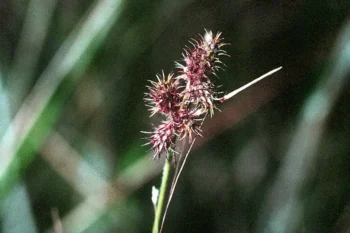
Hairy Umbrella-Sedge: A Hidden Gem for Wetland Gardens
If you’re looking to create an authentic wetland garden or restore a soggy corner of your property, let me introduce you to a plant that might not win any beauty contests but absolutely excels in its ecological niche. Meet the hairy umbrella-sedge (Fuirena squarrosa), a perennial sedge that’s perfectly adapted to life in wet places.
What is Hairy Umbrella-Sedge?
Don’t let the name fool you – this isn’t actually a grass, though it looks grass-like. Hairy umbrella-sedge belongs to the sedge family (Cyperaceae), and you can think of sedges as the quiet cousins of grasses. What makes this particular sedge special are the tiny hair-like bristles on its seed heads that give it both its common name and a subtle, almost fuzzy appearance when you look closely.
This native perennial has been quietly doing its job in American wetlands for centuries, and while it might not be the showstopper of your garden, it’s an ecological workhorse that deserves more recognition.
Where Does It Grow Naturally?
Hairy umbrella-sedge is native to 18 states across the southeastern and eastern United States, including Alabama, Arkansas, Delaware, District of Columbia, Florida, Georgia, Kentucky, Louisiana, Maryland, Mississippi, New Jersey, New York, North Carolina, Oklahoma, South Carolina, Tennessee, Texas, and Virginia. It’s most commonly found in the coastal plains and wetland areas of these regions.
- Species observed
- No observations
A Word About Rarity
Here’s something important to know: hairy umbrella-sedge is considered rare in some parts of its range. In Arkansas, it has a rarity status of S1 (critically imperiled), and in New Jersey, it’s listed as S3 with special highlands protection status. If you’re interested in growing this plant, please make sure you source it responsibly from reputable native plant nurseries rather than collecting it from the wild.
Why Grow Hairy Umbrella-Sedge?
Let’s be honest – you’re probably not going to plant this sedge for its stunning visual impact. Instead, here’s why it might be perfect for your landscape:
- Wetland restoration: If you’re restoring a natural wetland area, this plant is authentic to many eastern ecosystems
- Erosion control: Its root system helps stabilize wet soils
- Rain gardens: Perfect for areas that collect runoff and stay consistently moist
- Low maintenance: Once established in the right conditions, it pretty much takes care of itself
- Wildlife habitat: While not a major pollinator plant, the seeds can provide food for wetland birds
Growing Conditions
Here’s where hairy umbrella-sedge gets particular – it’s what botanists call an obligate wetland plant. This means it almost always occurs in wetlands and really, really wants to keep its feet wet. Here’s what it needs:
- Moisture: Consistently moist to wet soil; can tolerate seasonal flooding
- Sun exposure: Full sun to partial shade (though it prefers more sun)
- Soil type: Adaptable to various wet soil types, from sandy to clay
- USDA Hardiness Zones: 6-10, based on its natural range
Planting and Care Tips
If you’ve decided this wetland specialist is right for your garden, here’s how to give it the best start:
- Timing: Plant in spring after the last frost
- Location: Choose the wettest spot in your garden – edges of ponds, rain garden centers, or naturally soggy areas
- Soil preparation: No need to amend wet soils; this plant adapted to whatever nature provides
- Watering: Keep consistently moist; never let it dry out completely
- Maintenance: Very low maintenance once established; you can cut back old growth in late winter if desired
Is This Plant Right for Your Garden?
Hairy umbrella-sedge is definitely not for everyone. If you have average garden conditions with well-draining soil, this plant will struggle and likely won’t survive. However, if you have a wet area that other plants can’t handle, or if you’re passionate about native wetland restoration, this humble sedge could be exactly what you need.
Think of it as a specialist plant for specialist situations. While it won’t give you colorful flowers or dramatic foliage, it will give you the satisfaction of growing a truly native plant that’s perfectly adapted to wet conditions and plays an important role in wetland ecosystems.
Remember, with its rarity status in some areas, growing hairy umbrella-sedge responsibly means supporting conservation efforts and helping preserve this species for future generations – and that’s something worth getting excited about, even if the plant itself prefers to stay quietly in the background.