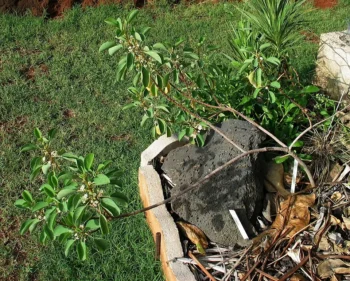
Hairyfruit Chewstick: A Rare Hawaiian Native Worth Protecting
If you’re passionate about native Hawaiian plants, you may have heard of the hairyfruit chewstick (Gouania hillebrandii), a remarkable shrub that’s become one of Hawaii’s most endangered botanical treasures. This unassuming native plant carries a heavy conservation burden – and an important story every gardener should know.
What Makes Hairyfruit Chewstick Special?
The hairyfruit chewstick is a perennial shrub that typically grows as a multi-stemmed woody plant, usually reaching heights of 13 to 16 feet under ideal conditions. Like many Hawaiian natives, it has adapted to thrive in the islands’ unique climate and ecosystem conditions.
This plant goes by several scientific synonyms, including Gouania cucullata, Gouania faurieri, and others, reflecting the complex botanical history of Hawaiian flora classification.
Where Does It Grow?
Gouania hillebrandii is endemic to Hawaii, meaning it exists nowhere else on Earth. This shrub originally grew across several Hawaiian islands in dry to mesic forest environments.
- Species observed
- No observations
A Critical Conservation Concern
Here’s what every gardener needs to know: The hairyfruit chewstick is critically imperiled with a Global Conservation Status of S1 and is listed as Endangered. This means there are typically only five or fewer known occurrences remaining, with very few individual plants surviving in the wild – fewer than 1,000 total.
Because of this extreme rarity, we strongly recommend that gardeners approach this plant with the utmost care and responsibility. If you’re considering adding it to your garden, please ensure you’re working with reputable native plant organizations or botanical institutions that can provide ethically sourced material.
Growing Conditions and Care
For those fortunate enough to obtain responsibly sourced hairyfruit chewstick, here’s what you need to know about growing this rare beauty:
- Climate: Thrives in USDA hardiness zones 10-12 (tropical conditions)
- Soil: Prefers well-draining soils typical of Hawaiian dry to mesic forests
- Water: Once established, shows good drought tolerance
- Light: Adapted to filtered sunlight conditions of forest understory
Garden Design and Landscape Role
The hairyfruit chewstick works best in specialized settings:
- Native Hawaiian restoration gardens
- Botanical collections focused on rare species
- Educational landscapes highlighting endangered plants
- Conservation-minded residential gardens with appropriate expertise
This isn’t a plant for casual gardening – it requires dedicated care and understanding of its conservation status.
Supporting Conservation Efforts
Rather than seeking this plant for your personal garden, consider supporting conservation efforts through:
- Donating to Hawaiian native plant conservation organizations
- Volunteering with habitat restoration projects
- Choosing other native Hawaiian plants that are less threatened
- Spreading awareness about endangered Hawaiian flora
The Bottom Line
While the hairyfruit chewstick represents an important piece of Hawaii’s natural heritage, its critically endangered status means most gardeners should admire it from afar. If you’re passionate about supporting Hawaiian native plants, focus on more abundant native species that can benefit from increased cultivation, or support professional conservation efforts working to bring this remarkable shrub back from the brink of extinction.
Every plant tells a story, and Gouania hillebrandii’s story is one of rarity, resilience, and the urgent need for conservation. By understanding and respecting its status, we can all play a part in ensuring future generations will have the chance to appreciate this unique Hawaiian treasure.