Halberdleaf Yellow Violet: A Charming Native Groundcover for Shade Gardens
If you’re looking for a delightful native plant that brings subtle beauty to shaded corners of your garden, meet the halberdleaf yellow violet (Viola hastata). This charming perennial forb might not steal the spotlight like flashier flowers, but it has a quiet elegance that makes it a wonderful addition to any native plant enthusiast’s collection.
What Makes This Violet Special?
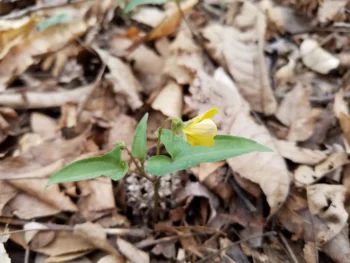
The halberdleaf yellow violet gets its distinctive name from its uniquely shaped leaves, which resemble a halberd – a medieval weapon with a pointed tip and flared base. These heart-shaped leaves feature characteristic lobes at the base that give them their signature look. Come spring, the plant produces small, cheerful yellow flowers that add a gentle pop of color to woodland settings.
As a native perennial forb, this violet lacks woody tissue and maintains its growing points at or below ground level, making it an excellent low-growing groundcover option.
Where Does It Call Home?
This native beauty has quite an impressive range across the eastern United States. You’ll find Viola hastata naturally growing in Alabama, Florida, Georgia, Kentucky, Maryland, Mississippi, New York, North Carolina, Ohio, Pennsylvania, South Carolina, Tennessee, Virginia, and West Virginia.
- Species observed
- No observations
Perfect for Your Woodland Garden
The halberdleaf yellow violet shines in several garden settings:
- Woodland gardens: Creates a natural carpet under trees and shrubs
- Native plant gardens: Adds authentic local flora to your landscape
- Shade gardens: Brightens up those tricky darker areas
- Naturalized areas: Helps establish a self-sustaining ecosystem
Growing Conditions That Make It Happy
One of the best things about this violet is how adaptable it is. Here’s what it prefers:
- Light: Partial to full shade (perfect for those challenging spots!)
- Soil: Moist but well-draining soil, though it’s quite tolerant of different soil types
- pH: Slightly acidic conditions work best
- Hardiness: Thrives in USDA zones 4-8
Interestingly, the wetland status varies by region. In the Atlantic and Gulf Coastal Plain, it’s considered facultative upland (meaning it usually grows in non-wetlands but can tolerate some moisture), while in other regions like the Eastern Mountains, Piedmont, Midwest, and Northeast, it’s obligate upland (almost never found in wetlands).
Planting and Care Tips
Here’s the good news – this violet is wonderfully low-maintenance once established:
- Best planting time: Spring or fall for optimal establishment
- Soil preparation: Add some organic matter to enrich the soil
- Spacing: Allow room for natural spreading
- Maintenance: Minimal care needed once established
- Spreading: Will naturalize over time, creating lovely colonies
Benefits for Wildlife and Pollinators
While the halberdleaf yellow violet may seem modest, it plays an important role in supporting local ecosystems. The flowers attract small native bees and other pollinators, contributing to the biodiversity of your garden. As a native plant, it also supports the complex web of relationships between local wildlife and flora that have evolved together over thousands of years.
Why Choose Halberdleaf Yellow Violet?
This native violet offers several compelling reasons to include it in your landscape:
- True native plant supporting local ecosystems
- Low-maintenance once established
- Excellent for challenging shady areas
- Attractive foliage with distinctive shape
- Gentle spring flowers add subtle color
- Naturalizes beautifully without being aggressive
Whether you’re creating a native plant sanctuary, establishing a woodland garden, or simply looking for a reliable groundcover for shaded areas, the halberdleaf yellow violet deserves a spot on your plant list. It may not be the showiest plant in your garden, but its quiet charm and ecological value make it a true gem for any native plant lover.