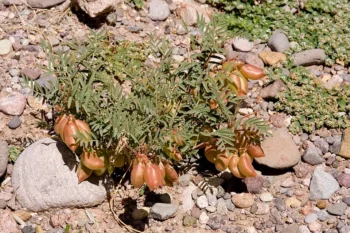
Halfmoon Milkvetch: A Charming Native Annual for Southwestern Gardens
Looking for a low-maintenance native plant that adds delicate beauty to your southwestern garden? Meet the halfmoon milkvetch (Astragalus wootonii), a petite annual that’s perfectly adapted to life in the American Southwest. This unassuming little legume might not win any height contests, but it more than makes up for its modest stature with its ecological benefits and easy-going nature.
Getting to Know Halfmoon Milkvetch
Halfmoon milkvetch is a native annual plant that calls the southwestern United States home. You might also see it listed under its botanical synonyms, including Astragalus allochrous var. playanus, but don’t let the scientific names intimidate you – this is one friendly little plant that’s eager to please.
Where Does It Grow?
This southwestern native thrives across five states: Arizona, California, Colorado, New Mexico, and Texas. It’s perfectly adapted to the challenging conditions of the American Southwest, making it an excellent choice for gardeners in these regions who want to work with nature rather than against it.
- Species observed
- No observations
Why Plant Halfmoon Milkvetch?
There are several compelling reasons to consider adding this native annual to your garden:
- Native credentials: As a true native, it supports local ecosystems and wildlife
- Pollinator magnet: The small pea-like flowers attract native bees and other beneficial pollinators
- Low maintenance: Once established, it requires minimal care and water
- Self-seeding: Being an annual, it will reseed itself for next year’s display
- Drought tolerance: Perfect for xeriscaping and water-wise gardening
What Does It Look Like?
Don’t expect towering drama from halfmoon milkvetch – this is a plant that charms through subtlety. It produces delicate, pea-family flowers that typically range from purple to pink, creating a gentle carpet of color in naturalized areas. The plant stays relatively low-growing, making it perfect as a ground cover or filler in native plant combinations.
Perfect Garden Settings
Halfmoon milkvetch shines in several garden styles:
- Native plant gardens: Combines beautifully with other southwestern natives
- Xeriscapes: Thrives in low-water landscape designs
- Wildflower meadows: Adds delicate texture to naturalized areas
- Rock gardens: Appreciates well-draining, rocky conditions
- Erosion control: Helps stabilize soil on slopes
Growing Conditions and Care
One of the best things about halfmoon milkvetch is how easy it is to please. Here’s what it needs to thrive:
- Sunlight: Full sun exposure for best flowering
- Soil: Well-draining sandy or rocky soils – avoid heavy clay
- Water: Very low water requirements once established
- USDA Hardiness Zones: Suitable for zones 4-9
Planting and Care Tips
Getting started with halfmoon milkvetch is refreshingly straightforward:
- Timing: Direct seed in fall for spring germination
- Planting: Scatter seeds in prepared soil and lightly rake in
- Watering: Water gently until germination, then reduce frequency
- Maintenance: Minimal care needed – this plant prefers to be left alone
- Reseeding: Allow some plants to go to seed for next year’s crop
Supporting Local Wildlife
By choosing halfmoon milkvetch, you’re doing more than just beautifying your garden – you’re creating habitat. The flowers provide nectar for native pollinators, while the plant itself supports the intricate web of southwestern ecosystems. It’s a small but meaningful way to give back to the natural world that surrounds us.
Is Halfmoon Milkvetch Right for Your Garden?
If you’re gardening in the southwestern United States and looking for a low-maintenance, water-wise native that supports local wildlife, halfmoon milkvetch could be an excellent choice. It’s particularly well-suited for gardeners who appreciate subtle beauty over flashy displays and who want to create sustainable, ecologically beneficial landscapes.
Remember, as an annual, halfmoon milkvetch will complete its life cycle in one growing season, but with proper conditions, it should self-seed and return year after year, creating a sustainable cycle of gentle beauty in your native garden.