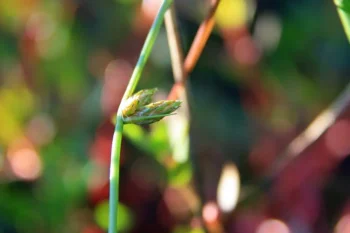
Hall’s Bulrush: A Specialized Native Sedge for Wetland Gardens
If you’re venturing into the wonderful world of wetland gardening or considering a rain garden for your property, you might want to get acquainted with Hall’s bulrush (Schoenoplectiella hallii). This unassuming native sedge might not win any beauty contests, but it plays a crucial role in aquatic ecosystems and could be exactly what your water-loving garden needs.
What is Hall’s Bulrush?
Hall’s bulrush is a grass-like perennial plant that belongs to the sedge family (Cyperaceae). Don’t let the name fool you – it’s not actually a grass, but rather one of those plants that gardeners often lump together as grass-like. You might also see it listed under several scientific synonyms in older references, including Scirpus hallii and Schoenoplectus hallii, which can make researching this plant a bit of a treasure hunt!
Where Does It Call Home?
This native beauty has quite an impressive range across the lower 48 states. You’ll find Hall’s bulrush naturally occurring in Alabama, Georgia, Illinois, Indiana, Iowa, Kansas, Kentucky, Massachusetts, Michigan, Missouri, Nebraska, Oklahoma, South Carolina, and Wisconsin. That’s a pretty substantial chunk of the country, stretching from the Great Lakes down to the Gulf Coast and from the Atlantic seaboard west into the Great Plains.
- Species observed
- No observations
A Plant That Really, Really Loves Water
Here’s where Hall’s bulrush gets interesting (and a bit demanding): it’s classified as an Obligate Wetland plant across all regions where it grows. This means it almost always occurs in wetlands and requires consistently wet conditions to thrive. We’re talking about a plant that’s basically married to moisture – no weekend watering will satisfy this one!
This wetland dependency makes Hall’s bulrush perfect for:
- Rain gardens and bioswales
- Pond and stream margins
- Constructed wetlands
- Restoration projects
- Areas with seasonal flooding
Should You Plant It?
Here’s where things get a bit complex. Hall’s bulrush has a Global Conservation Status of S2S3, which suggests it’s somewhat uncommon to moderately rare in its range. This means if you do decide to grow it, you’ll want to source it responsibly from reputable native plant nurseries or seed suppliers who can verify their stock comes from ethical collection practices.
The plant thrives in USDA hardiness zones 4-9, covering most of its native range. However, this isn’t a plant for the average perennial border or typical home landscape. You’ll want to consider Hall’s bulrush if you have:
- A naturally wet area on your property
- Plans for a rain garden or bioswale
- A pond or water feature with natural edges
- An interest in wetland restoration
- Consistently moist to wet soil conditions
Growing Hall’s Bulrush Successfully
If you’ve determined that Hall’s bulrush fits your specialized growing conditions, here’s what you need to know:
Light Requirements: This adaptable sedge handles full sun to partial shade, though it typically performs best with at least several hours of direct sunlight.
Soil Needs: Consistently moist to wet soils are non-negotiable. Think pond margins, seasonal flooding zones, or areas with a high water table. Regular garden soil simply won’t cut it.
Planting Tips: Spring is your best bet for establishing Hall’s bulrush. If you’re working with seeds, they may need cold stratification or specific moisture conditions to germinate properly. Division of established plants can also work, though finding parent plants may be challenging given their relative rarity.
Maintenance: Once established in appropriate conditions, Hall’s bulrush is fairly low-maintenance. The main requirement is ensuring consistent moisture levels year-round.
Ecological Benefits
While Hall’s bulrush might not be a showstopper in the traditional garden sense, it provides valuable ecological functions. As a wetland plant, it helps with water filtration, erosion control, and provides habitat structure for wetland wildlife. Its seeds may provide food for waterfowl and other birds, contributing to the broader ecosystem.
The Bottom Line
Hall’s bulrush is definitely a specialist plant for specialized conditions. If you have the right wetland environment and access to responsibly sourced plants or seeds, it can be a valuable addition to restoration projects or naturalistic water gardens. However, if you’re looking for a general-purpose native plant for typical garden conditions, you’ll probably want to explore other options.
Remember, working with rare native plants comes with responsibility. Always source from reputable suppliers, and consider whether your project truly benefits from this particular species or if more common wetland natives might serve your needs just as well.