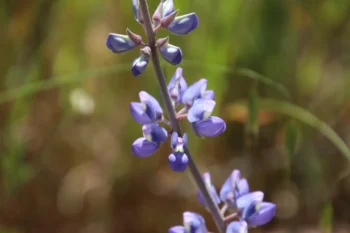
Hall’s Bush Lupine: A Desert Native Perfect for Water-Wise Gardens
If you’re looking to add some serious desert charm to your garden while supporting local wildlife, Hall’s bush lupine might just be your new best friend. This hardy native shrub brings beautiful purple blooms and silver-green foliage to landscapes that can handle a little heat and a lot of character.
What is Hall’s Bush Lupine?
Hall’s bush lupine (Lupinus excubitus var. hallii) is a perennial shrub native to the southwestern United States. As a member of the legume family, this tough little plant has all the classic lupine features you’d expect – those gorgeous spikes of purple to blue flowers and distinctive palm-shaped leaves – but packed into a drought-loving desert package.
This variety typically grows as a multi-stemmed woody shrub, usually staying under 13 to 16 feet in height, though most specimens you’ll encounter are much more manageable in size. Don’t let the scientific name intimidate you – gardeners have been calling it Hall’s bush lupine for good reason, honoring the botanist who first described this desert beauty.
Where Does It Come From?
Hall’s bush lupine is a true native of California and Nevada, calling the Mojave Desert region home. This plant has spent countless years adapting to the harsh desert conditions, making it incredibly well-suited for similar environments in your garden.
- Species observed
- No observations
Why Plant Hall’s Bush Lupine?
There are plenty of compelling reasons to consider this native shrub for your landscape:
- Water-wise wonder: Once established, this plant thrives with minimal irrigation, making it perfect for drought-conscious gardeners
- Native wildlife magnet: Like other lupines, it attracts bees, butterflies, and other beneficial pollinators to your garden
- Low maintenance: Desert natives are notorious for being easy-care plants that don’t need constant attention
- Unique aesthetic: The combination of silvery foliage and purple flower spikes creates striking visual interest
- Ecosystem support: By planting natives, you’re helping support local wildlife and maintaining regional biodiversity
Perfect Garden Settings
Hall’s bush lupine shines brightest in specific garden styles and conditions. Consider it for:
- Desert and xeriscape gardens
- Native plant landscapes
- Rock gardens with excellent drainage
- Water-wise demonstration gardens
- Naturalized areas that mimic desert ecosystems
Growing Conditions and Care
Success with Hall’s bush lupine comes down to understanding its desert origins. This plant wants conditions that mimic its natural habitat:
Sunlight: Full sun is essential – this plant has evolved to handle intense desert sunshine and won’t perform well in shade.
Soil: Well-draining soil is absolutely critical. Sandy or rocky soils work best, and heavy clay soils that retain moisture will likely cause problems. If your soil doesn’t drain well naturally, consider raised beds or adding coarse sand and gravel to improve drainage.
Water: The golden rule with desert natives is less is more. Once established, Hall’s bush lupine should receive minimal supplemental water. Overwatering is one of the quickest ways to kill this otherwise tough plant.
Climate: This shrub is suited for USDA hardiness zones 8-10, primarily in areas that experience hot, dry summers and mild winters.
Planting and Establishment Tips
Getting your Hall’s bush lupine off to a good start involves timing and technique:
- Best planting time: Spring is ideal, giving the plant time to establish before facing its first summer heat
- Site preparation: Ensure excellent drainage – this cannot be overstated with desert natives
- Initial watering: Water regularly during the first growing season to help establishment, then dramatically reduce frequency
- Mulching: Use gravel or decomposed granite mulch rather than organic mulches that retain moisture
- Spacing: Give plants room to develop their natural form without crowding
A Word About Sourcing
When looking for Hall’s bush lupine, make sure you’re getting plants from reputable nurseries that specialize in native plants. Responsible sourcing helps protect wild populations and ensures you’re getting plants that are true to type.
The Bottom Line
Hall’s bush lupine represents everything wonderful about gardening with native plants – it’s beautiful, supports local ecosystems, requires minimal resources once established, and brings a piece of authentic desert landscape to your garden. If you’re gardening in its native range and looking to create a water-wise landscape that celebrates regional flora, this lupine variety deserves serious consideration.
Just remember the cardinal rule of desert gardening: when in doubt, water less rather than more. Your Hall’s bush lupine will thank you for it with years of gorgeous blooms and trouble-free growth.