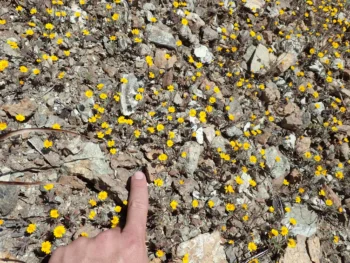
Hall’s Madia: A Rare California Native Worth Protecting
If you’re passionate about preserving California’s unique botanical heritage, Hall’s madia (Harmonia hallii) might just capture your gardening heart. This little-known annual forb represents the kind of native plant that makes California’s flora so special—and so worth protecting.
What Makes Hall’s Madia Special?
Hall’s madia is a true California native, found exclusively within the Golden State’s borders. As an annual forb, this plant completes its entire life cycle in just one growing season, making it a fascinating addition to gardens focused on native biodiversity. The botanical world also knows this plant by its synonym, Madia hallii, which you might encounter in older botanical references.
What sets this plant apart isn’t just its California heritage—it’s also its rarity. Hall’s madia carries a Global Conservation Status of S2?, indicating that its conservation status needs further definition but suggests it may be quite uncommon in the wild.
Where Does Hall’s Madia Grow?
This native beauty calls California home, though specific distribution details within the state remain part of what makes this plant so mysterious and special. Its limited range makes it a true California endemic—a plant found nowhere else on Earth.
- Species observed
- No observations
Should You Grow Hall’s Madia?
Here’s where things get interesting for the conservation-minded gardener. While we’d love to encourage everyone to grow more native plants, Hall’s madia’s potential rarity status means you’ll want to be extra thoughtful about how you approach adding it to your garden.
Important considerations:
- Only source seeds or plants from reputable native plant societies or nurseries
- Never collect from wild populations
- Consider this plant as part of a broader native plant conservation effort
- Focus on creating habitat that could support this and other native annuals
Growing Hall’s Madia: What We Know
Here’s the honest truth: cultivation information for Hall’s madia is quite limited, which isn’t uncommon for rare native plants that haven’t entered mainstream horticulture. As an annual forb, it likely shares some characteristics with other California native annuals, but specific growing requirements remain largely undocumented.
What we do know:
- It’s an annual, so it will complete its life cycle in one season
- As a forb, it’s a non-woody plant that likely produces flowers
- Being California native, it’s adapted to the state’s Mediterranean climate patterns
The Bigger Picture: Why Rare Natives Matter
Plants like Hall’s madia represent irreplaceable pieces of California’s natural heritage. Even if we can’t provide detailed growing guides, supporting research and conservation efforts for rare natives like this one helps preserve the incredible diversity that makes California’s flora world-renowned.
If you’re interested in growing Hall’s madia, we strongly recommend connecting with local native plant societies, botanical gardens, or conservation organizations. They may have additional insights into cultivation requirements and can help ensure any plants you grow contribute positively to conservation efforts rather than putting wild populations at risk.
Alternative Native Options
While you’re exploring the possibility of growing Hall’s madia, consider incorporating other California native annuals that are better understood and more readily available. These can help create the kind of diverse native plant community where rare species like Hall’s madia might eventually thrive.
Remember, every native plant you grow—whether common or rare—contributes to supporting local ecosystems and preserving California’s unique natural heritage for future generations.