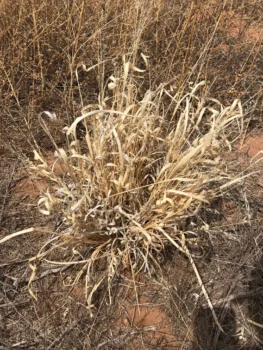
Hall’s Panicgrass: A Hidden Gem for Native Grass Enthusiasts
If you’re looking to add an authentic touch of the American Southwest to your garden, Hall’s panicgrass (Panicum hallii var. hallii) might just be the native grass you never knew you needed. This perennial beauty brings both ecological value and subtle charm to landscapes across its native range.
What is Hall’s Panicgrass?
Hall’s panicgrass is a native perennial grass that calls the southwestern and south-central United States home. Also known by its synonym Panicum lepidulum, this graminoid species represents the authentic grassland heritage of regions stretching from the desert Southwest to the Great Plains.
Where Does Hall’s Panicgrass Grow?
This native beauty naturally occurs across six states: Arizona, Colorado, New Mexico, Oklahoma, Texas, and Utah. Its wide geographic distribution speaks to its adaptability across diverse climates and elevations throughout the American Southwest and southern Rocky Mountain region.
- Species observed
- No observations
Important Conservation Considerations
Before you rush to plant Hall’s panicgrass, there’s something important to know: this species has a Global Conservation Status of S3S4Q, indicating some level of conservation concern. While not critically endangered, this status means we should be thoughtful about how we source and grow this grass.
If you decide to grow Hall’s panicgrass, please ensure you’re obtaining seeds or plants from reputable native plant suppliers who source their material responsibly. Never collect from wild populations, and consider supporting conservation efforts by choosing this native over non-native alternatives.
Why Choose Hall’s Panicgrass for Your Garden?
There are several compelling reasons to consider this native grass:
- Authentic regional character: Nothing beats the real deal when creating a true southwestern landscape
- Low maintenance: As a native perennial, it’s adapted to local conditions once established
- Wildlife support: Native grasses provide seeds for birds and habitat for beneficial insects
- Drought tolerance: Likely well-adapted to dry conditions given its native range
- Conservation value: Growing natives helps preserve local ecosystems
Garden Design and Landscape Use
Hall’s panicgrass works beautifully in several garden styles:
- Native plant gardens: Perfect for authentic regional plantings
- Prairie restorations: Helps recreate natural grassland communities
- Xeriscaping: Ideal for water-wise landscaping
- Naturalized areas: Great for low-maintenance, natural-looking spaces
- Accent plantings: Adds texture and movement to mixed borders
Growing Conditions and Care
While specific growing requirements for Hall’s panicgrass aren’t widely documented, we can make educated guesses based on its native habitat and the needs of related Panicum species:
- Sunlight: Likely prefers full sun
- Soil: Probably adaptable to various soil types, possibly preferring well-draining soils
- Water: Once established, likely drought-tolerant
- Hardiness: Based on its geographic range, probably hardy in USDA zones 4-9
Planting and Establishment Tips
For the best success with Hall’s panicgrass:
- Plant in spring after the last frost for best establishment
- Water regularly during the first growing season to help roots establish
- Once established, reduce watering and let natural rainfall take over
- Allow seed heads to remain through winter for wildlife food and winter interest
- Cut back in late winter or early spring before new growth begins
Wildlife and Ecological Benefits
Like many native grasses, Hall’s panicgrass likely provides important ecological services:
- Seeds feed birds and small mammals
- Provides nesting material and habitat structure
- Supports native insect communities
- Helps prevent soil erosion
- Contributes to authentic native plant communities
The Bottom Line
Hall’s panicgrass offers native plant enthusiasts a chance to grow something truly special – a grass that represents the authentic character of southwestern landscapes. While its conservation status means we need to be mindful about sourcing, growing this native beauty can be a rewarding way to support local ecosystems while creating beautiful, low-maintenance landscapes.
Just remember: when it comes to Hall’s panicgrass, responsible sourcing isn’t just good practice – it’s essential for ensuring future generations can enjoy this native treasure too.