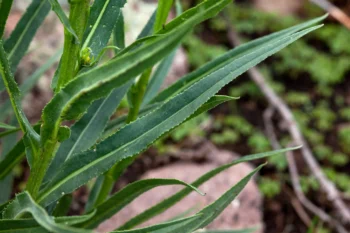
Hall’s Ragwort: A Hidden Gem for Native Plant Enthusiasts
If you’re looking to add some authentic southwestern flair to your native plant garden, Hall’s ragwort (Senecio bigelovii var. hallii) might just be the understated beauty you’ve been searching for. This perennial wildflower brings the classic charm of yellow daisy-like blooms to landscapes across the American Southwest, though you’ll need to hunt a bit to find it in nurseries.
What Is Hall’s Ragwort?
Hall’s ragwort is a native perennial forb – basically a non-woody flowering plant that comes back year after year. As a variety of Bigelow’s ragwort, it’s perfectly adapted to life in the more challenging climates of the southwestern United States. You might also see it listed under its scientific synonym Ligularia bigelovii var. hallii in some botanical references, but don’t let that confuse you – it’s the same plant.
Where Does It Call Home?
This native beauty has made itself at home across five southwestern states: Arizona, Colorado, New Mexico, Utah, and Wyoming. It’s a true child of the American West, having evolved alongside the region’s unique climate and wildlife for thousands of years.
- Species observed
- No observations
Should You Plant Hall’s Ragwort?
Here’s where things get a bit complicated. While Hall’s ragwort would make a wonderful addition to native plant gardens, it comes with an important caveat – it has a conservation status that suggests it may be uncommon in parts of its range. This means if you decide to grow it, you’ll want to source it responsibly.
The good news: Growing native plants like Hall’s ragwort in your garden can actually help support local ecosystems and provide habitat for native pollinators. The typical yellow, daisy-like flowers of the ragwort family are known to attract native bees, butterflies, and other beneficial insects.
The important part: Only obtain plants or seeds from reputable native plant nurseries that ethically source their material. Never collect from wild populations, as this could harm already vulnerable communities of this plant.
Growing Hall’s Ragwort Successfully
Since detailed growing information specific to Hall’s ragwort is limited, we can draw from what we know about its native habitat and related species. Here’s what will likely make this plant happy in your garden:
- Sunlight: Full sun to partial shade
- Soil: Well-draining soils – these plants don’t like wet feet
- Water: Drought-tolerant once established, mimicking its natural arid habitat
- Climate: Best suited for USDA hardiness zones 4-8, based on its native range
Perfect Garden Companions
Hall’s ragwort would feel right at home in:
- Native plant gardens focused on southwestern species
- Xeriscapes and water-wise landscapes
- Wildflower meadows
- Pollinator gardens
Consider pairing it with other native southwestern perennials that share similar growing conditions and can create a naturalistic plant community.
The Bottom Line
Hall’s ragwort represents the kind of authentic, regionally appropriate plant that can make native gardens truly special. While it may not be the showiest plant in your garden, it offers the satisfaction of growing something genuinely local and potentially beneficial to native wildlife. Just remember – if you can find it, source it responsibly, and you’ll be doing right by both your garden and the wild populations of this interesting native plant.
Sometimes the most rewarding plants to grow are the ones that challenge us to be better gardeners and conservation-minded citizens. Hall’s ragwort might just be one of those plants.