Hamakua Clermontia: A Rare Hawaiian Treasure Worth Protecting
If you’re passionate about Hawaiian native plants and conservation gardening, you’ve probably never heard of the Hamakua clermontia (Clermontia pyrularia) – and that’s exactly the problem. This remarkable endemic tree is one of Hawaii’s most endangered native plants, making it both incredibly special and heartbreakingly rare.
What Makes Hamakua Clermontia Special?
The Hamakua clermontia is a perennial tree that belongs to Hawaii’s unique native flora. What sets this plant apart isn’t just its rarity – it’s the stunning, curved tubular flowers that once played a crucial role in Hawaii’s ecosystem. These distinctive bell-shaped blooms, typically white to pale yellow, were specifically designed by nature to be pollinated by native Hawaiian honeycreeper birds, many of which are now extinct themselves.
Where Does It Come From?
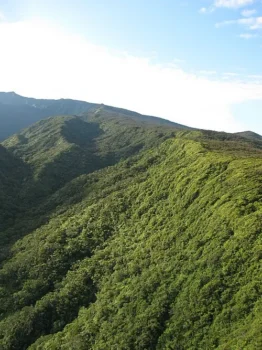
This tree is endemic to Hawaii, specifically native to the Big Island’s Hamakua district region. You won’t find Hamakua clermontia growing naturally anywhere else in the world – it’s as uniquely Hawaiian as it gets.
- Species observed
- No observations
A Critical Conservation Concern
Important Conservation Alert: Before we discuss growing this plant, you need to know that Hamakua clermontia has a Global Conservation Status of S1, meaning it’s critically imperiled. It’s also listed as Endangered in the United States, with typically 5 or fewer occurrences and very few remaining individuals (less than 1,000 plants total).
If you’re interested in growing this species, please only obtain plants from legitimate conservation nurseries or authorized propagation programs. Never collect from wild populations – every single plant in the wild is precious for the species’ survival.
Garden Role and Landscape Use
In the right garden setting, Hamakua clermontia serves as:
- A stunning specimen plant for Hawaiian native gardens
- An educational focal point about endangered species conservation
- Part of ecosystem restoration projects
- A conversation starter about Hawaii’s unique biodiversity
This isn’t a plant for every garden – it’s best suited for specialized native plant gardens, conservation landscapes, or collectors who are committed to proper care and conservation ethics.
Growing Conditions and Care
Hamakua clermontia is definitely not a beginner plant. It thrives in USDA hardiness zones 10-11 only, requiring:
- Soil: Moist, well-draining volcanic soils enriched with organic matter
- Light: Partial shade to filtered light (avoid harsh direct sun)
- Moisture: Consistent humidity and regular watering
- Temperature: Cool, stable temperatures typical of Hawaiian upland forests
- Protection: Shelter from strong winds
Size and Growth
As a tree species, Hamakua clermontia normally grows greater than 13-16 feet in height under ideal conditions, though environmental factors may result in shorter, multi-stemmed growth forms. Growth rate is typically slow, especially in cultivation.
Planting and Care Tips
- Start with healthy, nursery-grown plants from reputable conservation sources
- Amend soil with plenty of organic matter to mimic forest conditions
- Provide consistent moisture without waterlogging
- Create a microclimate with higher humidity if possible
- Monitor carefully for stress and adjust conditions as needed
- Consider growing in containers initially to better control conditions
Wildlife and Ecosystem Benefits
While we don’t have complete data on current wildlife benefits, historically this plant was crucial for native Hawaiian honeycreeper birds. By growing Hamakua clermontia responsibly, you’re contributing to:
- Preserving Hawaii’s genetic plant diversity
- Supporting potential ecosystem restoration efforts
- Maintaining plants that could support future native bird recovery programs
Should You Plant Hamakua Clermontia?
The answer depends entirely on your commitment level and access to responsibly sourced plants. This endangered species deserves our protection and careful cultivation – but only by gardeners who understand the responsibility that comes with growing such a rare plant.
If you’re not ready for the specialized care requirements or can’t source plants ethically, consider supporting Hamakua clermontia conservation through donations to Hawaiian native plant organizations instead. Every contribution helps ensure this remarkable tree doesn’t disappear forever.
For those who do choose to grow it: you’re not just adding a plant to your garden, you’re becoming a conservation partner in preserving one of Hawaii’s most precious natural treasures.