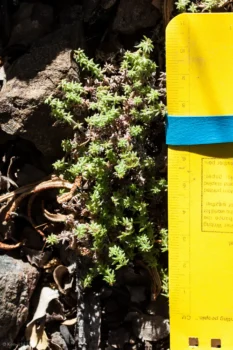
Hardham’s Bedstraw: A Rare California Native Worth Protecting
Meet Hardham’s bedstraw (Galium hardhamiae), one of California’s most elusive native plants. This perennial herb belongs to the fascinating bedstraw family, known for their delicate, star-like flower clusters and whorled leaves that create intricate patterns along their stems.
A Plant on the Edge
Here’s something that might surprise you: Hardham’s bedstraw is incredibly rare. With a Global Conservation Status of S2, this species is considered Imperiled due to its extreme rarity. Scientists estimate there are typically only 6 to 20 known occurrences of this plant, with fewer than 1,000 to 3,000 individual plants remaining in the wild. That makes this little herb more precious than many realize!
Where to Find This California Treasure
Hardham’s bedstraw is a true California endemic, meaning it grows naturally nowhere else on Earth except within the Golden State. This native status makes it an incredibly special addition to the state’s biodiversity, though its exact locations remain quite limited.
- Species observed
- No observations
What Makes Bedstraws Special
As a forb herb, Hardham’s bedstraw is a vascular plant that lacks significant woody tissue. Think of it as nature’s delicate lacework – these plants have a soft, herbaceous structure that dies back to ground level each year, only to reemerge from buds at or below the soil surface when conditions are right.
Should You Grow Hardham’s Bedstraw?
This is where things get a bit complicated. While this native California plant would theoretically make a wonderful addition to a native garden, its extreme rarity means we need to approach it with extra care and responsibility.
The responsible approach:
- Only consider growing this species if you can source it from reputable native plant nurseries that propagate from ethically collected seeds
- Never collect plants or seeds from wild populations
- Consider growing other, more common Galium species that provide similar ecological benefits
- Support conservation efforts for rare California natives
Growing Conditions and Care
While specific growing requirements for Hardham’s bedstraw aren’t well-documented due to its rarity, most bedstraw species share some common preferences:
- Partial shade to filtered sunlight
- Well-draining soil with good organic content
- Moderate moisture levels
- Protection from extreme heat and drought
If you’re fortunate enough to obtain responsibly sourced plants, treat them like the rare treasures they are – provide gentle care, consistent moisture, and protection from harsh conditions.
Native Alternatives to Consider
If you’re drawn to the delicate beauty of bedstraws but want to avoid impacting rare populations, consider these more common California native alternatives:
- Other Galium species that are locally common in your area
- Native plants with similar delicate, airy textures
- Locally appropriate native groundcovers
The Bigger Picture
Hardham’s bedstraw reminds us that native gardening isn’t just about creating beautiful landscapes – it’s about conservation, responsibility, and protecting California’s unique natural heritage. While we may not all be able to grow this particular species, we can all contribute to native plant conservation by choosing common native species, supporting reputable native plant sources, and spreading awareness about the importance of protecting rare plants.
Sometimes the most loving thing we can do for a plant is to admire it from afar and work to protect its wild habitat instead of bringing it into our gardens.