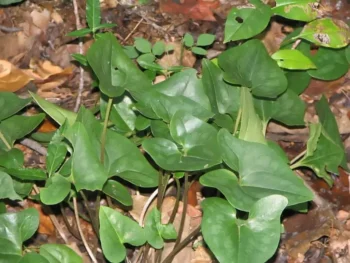
Harper’s Heartleaf: Alabama’s Rare Native Gem Worth Protecting
Meet Harper’s heartleaf (Hexastylis speciosa), one of Alabama’s most precious botanical treasures. This little-known native wildflower might not win any flashy flower contests, but it holds a special place in the hearts of native plant enthusiasts and conservationists alike. If you’re lucky enough to encounter this rare beauty, you’re witnessing something truly special.
A Plant with Alabama Roots
Harper’s heartleaf is as Alabama as it gets – this perennial forb is found nowhere else in the world except within the state’s borders. Also known by its scientific name Hexastylis speciosa (formerly Asarum speciosum), this unique wildflower represents what botanists call an endemic species – a plant that evolved in one specific place and calls only that place home.
Currently, Harper’s heartleaf grows in extremely limited locations throughout Alabama, making it one of the state’s botanical crown jewels. Its distribution is so restricted that finding it in the wild feels like discovering hidden treasure.
- Species observed
- No observations
What Makes This Plant Special?
Don’t expect showy blooms with Harper’s heartleaf – its charm lies in subtlety. This low-growing perennial produces distinctive heart-shaped evergreen leaves that often display beautiful mottled patterns. The leaves create an attractive groundcover that stays green year-round, providing consistent beauty in shaded garden areas.
The flowers, while not particularly eye-catching, are fascinating in their own right. These small, brownish-purple blooms appear at ground level and are perfectly adapted to attract ground-dwelling insects and small flies for pollination. It’s nature’s way of being practical rather than showy!
A Conservation Concern
Important Note: Harper’s heartleaf carries a Global Conservation Status of S2, meaning it’s considered Imperiled due to extreme rarity. With only 6 to 20 known occurrences and very few remaining individuals, this species is vulnerable to extinction.
If you’re interested in growing Harper’s heartleaf, please only obtain plants from reputable nurseries that propagate from responsibly sourced, legally collected material. Never collect plants from the wild – every individual in nature is precious for the species’ survival.
Growing Harper’s Heartleaf Successfully
For gardeners in USDA hardiness zones 7-9 who can source this plant responsibly, Harper’s heartleaf makes an exceptional addition to woodland and shade gardens. Here’s how to give it the best care:
Ideal Growing Conditions
- Light: Shade to partial shade – direct sunlight can stress or damage the plant
- Soil: Moist, well-draining soil rich in organic matter
- Moisture: Consistent moisture is key – it has a Facultative Wetland status, meaning it thrives in moist conditions
- Mulch: Benefits greatly from a layer of leaf mulch to mimic natural forest floor conditions
Planting and Care Tips
- Plant in spring or early fall when temperatures are moderate
- Choose a protected spot under trees or large shrubs
- Maintain consistent soil moisture without waterlogging
- Add compost or leaf mold annually to enrich the soil
- Be patient – this slow-growing perennial takes time to establish
Garden Design Role
Harper’s heartleaf serves as an excellent groundcover for challenging shaded areas where many other plants struggle. It’s perfect for:
- Woodland garden understories
- Native plant collections and conservation gardens
- Shaded areas under mature trees
- Educational gardens focusing on rare or endemic species
Wildlife and Pollinator Benefits
While small, the ground-level flowers of Harper’s heartleaf play an important ecological role by providing nectar and pollen for specialized ground-dwelling insects and small flies. These pollinators often go unnoticed but are crucial parts of healthy ecosystems.
Should You Grow Harper’s Heartleaf?
Growing Harper’s heartleaf comes with both privilege and responsibility. If you can source plants ethically and provide the right growing conditions, you’ll be participating in conservation efforts while enjoying a truly unique native plant. However, this isn’t a plant for casual gardeners – it requires specific conditions and should only be grown by those committed to supporting conservation.
For most gardeners interested in native groundcovers, consider more common alternatives like wild ginger (Asarum canadense) or other native Hexastylis species that aren’t at risk. But for dedicated native plant enthusiasts and conservationists, Harper’s heartleaf represents an opportunity to help preserve one of Alabama’s rarest botanical treasures.
Remember: every Harper’s heartleaf in cultivation is a small victory for conservation, but only when grown responsibly with properly sourced plants.