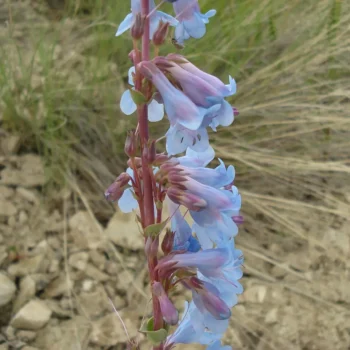
Harrington’s Beardtongue: A Rare Colorado Native Worth Protecting in Your Garden
If you’re looking to add a touch of Colorado’s high-altitude beauty to your garden, Harrington’s beardtongue (Penstemon harringtonii) might just be the perfect native perennial for you. But before you start planning where to plant it, there’s something important you need to know about this special wildflower.
A Colorado Exclusive
Harrington’s beardtongue is what botanists call an endemic species – it’s found nowhere else in the world except Colorado. This perennial forb calls the Colorado Rocky Mountains home, thriving in the state’s unique high-elevation environments. As a true Colorado native, it’s perfectly adapted to the challenging conditions of its mountain habitat.
- Species observed
- No observations
Why This Plant Deserves Special Attention
Here’s where things get serious: Harrington’s beardtongue has a Global Conservation Status of S3, meaning it’s considered vulnerable. With typically only 21 to 100 occurrences and between 3,000 to 10,000 individuals in the wild, this beautiful native is at risk. This rarity makes it both special and something we need to handle responsibly.
Important: If you decide to grow Harrington’s beardtongue, please only purchase from reputable native plant nurseries that use responsibly sourced, ethically propagated material. Never collect plants or seeds from wild populations.
What Makes It Garden-Worthy
Despite its rarity in the wild, Harrington’s beardtongue can be a stunning addition to the right garden setting. This perennial forb produces tubular flowers in gorgeous shades of purple to violet that are absolutely magnetic to pollinators. Hummingbirds, native bees, and butterflies all find these blooms irresistible.
The plant’s growth habit makes it perfect for:
- Rock gardens that mimic its natural alpine habitat
- Native plant gardens focused on Colorado species
- Drought-tolerant landscaping
- Alpine plant collections
Growing Conditions and Care
Think of Harrington’s beardtongue as the mountain climber of the plant world – it’s tough, independent, and thrives in conditions that might challenge other plants. Here’s what it needs to flourish:
Hardiness and Climate
This hardy perennial is suited for USDA hardiness zones 4-7, making it perfect for Colorado’s variable climate and similar mountainous regions.
Soil Requirements
The number one rule: drainage, drainage, drainage! Harrington’s beardtongue absolutely must have well-draining soil. It’s adapted to rocky, often poor soils in its native habitat, so don’t worry about having the richest garden soil. In fact, too much fertility might actually harm it.
Light Preferences
Give it full sun to partial shade. In its native high-altitude environment, it gets intense sun but also some protection from rocky outcroppings, so it’s quite adaptable to different light conditions.
Water Needs
Once established, this is one drought-tolerant customer. It’s built to survive on minimal water, just like it does in the wild Colorado mountains. Overwatering is actually more likely to kill it than underwatering.
Planting and Care Tips
Getting Harrington’s beardtongue established is straightforward if you follow these guidelines:
- Timing: Plant in spring or fall when temperatures are moderate
- Spacing: Give plants adequate room – they don’t like to be crowded
- Initial watering: Water regularly during the first growing season to help establish roots
- Ongoing care: Once established, water sparingly and only during extended dry periods
- Propagation: May self-seed in appropriate conditions, providing natural propagation
The Bottom Line
Harrington’s beardtongue is a remarkable native plant that can bring a piece of Colorado’s alpine beauty to your garden while supporting local pollinators. However, its vulnerable conservation status means we must approach growing it responsibly. If you choose to include this rare beauty in your landscape, make sure you’re purchasing from ethical sources and helping to preserve this special Colorado native for future generations.
By growing responsibly sourced Harrington’s beardtongue, you’re not just adding a stunning native plant to your garden – you’re participating in conservation efforts to protect one of Colorado’s unique botanical treasures.