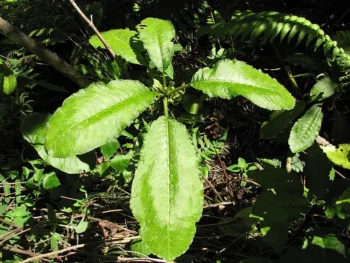
Harsh Cyanea: A Rare Hawaiian Treasure Worth Protecting
Meet the harsh cyanea (Cyanea scabra), a remarkable native Hawaiian shrub that’s as beautiful as it is endangered. This unique member of the bellflower family represents both the incredible diversity of Hawaii’s native flora and the urgent need for conservation in our modern gardens.
What Makes Harsh Cyanea Special?
Also known by its synonym Cyanea holophylla, this perennial shrub is truly one of Hawaii’s botanical gems. The harsh cyanea typically grows as a multi-stemmed woody plant, usually reaching heights of 13 to 16 feet, though it can sometimes grow taller or develop a single stem depending on environmental conditions.
What really sets this plant apart are its stunning tubular flowers in shades of purple or blue-violet, paired with distinctive lobed leaves that create an attractive, tropical appearance. It’s a plant that commands attention while maintaining an elegant, understated presence in the landscape.
Where Does Harsh Cyanea Come From?
This species is endemic to Hawaii, naturally occurring only on the islands of Maui and Hawaii (Big Island). As a true Hawaiian native, it has evolved specifically to thrive in the unique microclimates of these Pacific islands.
- Species observed
- No observations
A Plant in Peril
Here’s where things get serious: harsh cyanea has a Global Conservation Status of S2, meaning it’s imperiled due to extreme rarity. With typically only 6 to 20 occurrences remaining and possibly fewer than 3,000 individuals in the wild, this plant is fighting for survival.
Important note for gardeners: If you’re considering adding harsh cyanea to your garden, please only use responsibly sourced material from reputable native plant nurseries or conservation programs. Never collect from wild populations.
Growing Harsh Cyanea Successfully
This isn’t your typical backyard shrub – harsh cyanea has very specific needs that reflect its native Hawaiian forest habitat:
- Climate requirements: USDA hardiness zones 10-12 only (tropical climates)
- Light conditions: Partial to full shade – think forest understory
- Soil needs: Moist, well-draining soil that never dries out completely
- Humidity: High humidity is essential for success
- Water requirements: Consistent moisture without waterlogging
Wetland Flexibility
One interesting characteristic of harsh cyanea is its facultative wetland status, meaning it can adapt to both wetland and non-wetland conditions. This flexibility makes it potentially suitable for rain gardens or areas with variable moisture levels, as long as the basic tropical requirements are met.
Garden Design and Landscape Role
In the right setting, harsh cyanea serves beautifully as an understory shrub in native Hawaiian gardens or tropical shade gardens. Its upright form and attractive foliage make it excellent for:
- Native Hawaiian plant restoration projects
- Tropical woodland gardens
- Shaded areas that need vertical interest
- Conservation-focused landscapes
Supporting Hawaiian Wildlife
Historically, the tubular flowers of harsh cyanea were adapted for pollination by Hawaiian honeycreepers – those brilliant little native birds that are now largely extinct or endangered. By growing this plant, you’re supporting the few remaining native pollinators and contributing to ecosystem restoration efforts.
Should You Grow Harsh Cyanea?
If you live in zones 10-12 and can provide the specific tropical conditions this plant needs, growing harsh cyanea can be incredibly rewarding. You’ll be participating in conservation efforts while enjoying a truly unique native Hawaiian species.
However, this plant isn’t for beginners or those in unsuitable climates. Success requires dedication to maintaining proper humidity, moisture, and shade conditions. Consider it a specialty plant for committed native plant enthusiasts and conservation-minded gardeners.
Planting and Care Tips
- Source plants only from reputable native plant nurseries
- Plant in consistently moist, organic-rich soil
- Provide protection from direct sunlight
- Maintain high humidity through mulching and regular watering
- Monitor for stress signs like leaf browning or wilting
- Consider growing in a greenhouse or controlled environment if outdoor conditions aren’t ideal
Growing harsh cyanea is more than just adding another plant to your garden – it’s participating in the preservation of Hawaii’s irreplaceable natural heritage. With thoughtful care and responsible sourcing, you can help ensure this remarkable species continues to thrive for future generations.