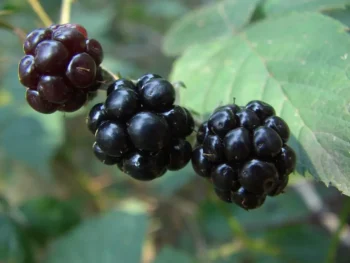
Harsh Dewberry: A Rare Native Gem for New England Gardens
If you’re a native plant enthusiast in New England, you might have stumbled across the name harsh dewberry in your research. This intriguing native shrub, scientifically known as Rubus severus, is one of those botanical treasures that doesn’t get much attention in mainstream gardening circles – and there’s a good reason for that.
What Is Harsh Dewberry?
Harsh dewberry is a perennial, low-growing shrub that belongs to the same genus as raspberries and blackberries. True to its dewberry nature, this little charmer stays close to the ground, typically growing under 1.5 feet tall and never exceeding 3 feet at maturity. It’s a native species that has quietly called the northeastern United States home for centuries.
Where Does It Grow Naturally?
This native beauty has a fairly limited natural range, growing wild in just three states: Maine, New Hampshire, and Vermont. It’s truly a New England native, adapted to the specific conditions of this region’s forests and woodlands.
- Species observed
- No observations
The Rarity Factor: Why You Should Care
Here’s where things get interesting – and important. Harsh dewberry has a Global Conservation Status of S3?Q, which indicates there may be some concern about its populations, though the exact status is somewhat undefined. This suggests that while it’s not critically endangered, it’s not exactly common either.
What does this mean for gardeners? If you’re lucky enough to find harsh dewberry for your garden, make absolutely sure you’re sourcing it responsibly. Never harvest from wild populations, and only purchase from reputable native plant nurseries that can verify their plants were ethically propagated.
Should You Grow Harsh Dewberry?
The honest answer is: it’s complicated. While we’d love to give you a complete growing guide, harsh dewberry is one of those plants that keeps its secrets well. Limited information is available about its specific growing requirements, care needs, and garden performance.
However, if you can find it from a responsible source, there are some compelling reasons to consider it:
- It’s a true native that supports local ecosystems
- Like other Rubus species, it likely provides food for wildlife
- Its low-growing habit makes it potentially useful as groundcover
- You’d be helping preserve a rare native species
Growing Conditions and Care
While specific information about harsh dewberry’s preferences is limited, we can make some educated guesses based on its relatives and natural habitat. Most dewberries prefer:
- Partial shade to full sun
- Well-draining soil
- Consistent moisture without waterlogging
- USDA hardiness zones that match its native range (likely zones 3-6)
Given its natural range in New England’s woodlands, harsh dewberry would likely appreciate conditions similar to woodland edges – not too dense with shade, but protected from harsh afternoon sun.
Alternative Options
If you can’t find harsh dewberry or prefer a more readily available option, consider these native alternatives that offer similar benefits:
- Wild strawberry (Fragaria virginiana) – another low-growing native groundcover
- Wintergreen (Gaultheria procumbens) – excellent native groundcover for acidic soils
- Other native Rubus species like red raspberry (Rubus idaeus) if available in your area
The Bottom Line
Harsh dewberry represents something special in the native plant world – a reminder that our local ecosystems harbor species that are both beautiful and irreplaceable. While we may not know everything about growing this particular dewberry, supporting rare native plants through responsible gardening practices helps preserve biodiversity for future generations.
If you do decide to grow harsh dewberry, approach it with the respect it deserves. Source responsibly, plant thoughtfully, and consider yourself a steward of a truly special piece of New England’s natural heritage.