Hart’s Tongue Fern: A Rare Native Treasure for Your Shade Garden
If you’re looking for something truly special to add to your shade garden, the Hart’s tongue fern (Asplenium scolopendrium var. americanum) might just be the unique specimen you’ve been searching for. This distinctive native fern stands out from the crowd with its unusual strap-like fronds that look nothing like your typical feathery fern foliage.
What Makes Hart’s Tongue Fern So Special?
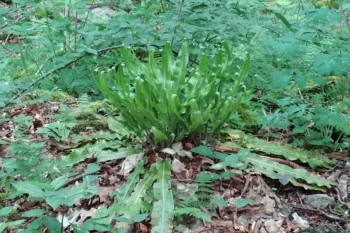
Unlike most ferns with their delicate, lacy appearance, Hart’s tongue fern produces glossy, tongue-shaped fronds that remain evergreen throughout the year. These bright green, leathery leaves can grow 6-18 inches long and create an almost tropical look in temperate gardens. The fronds emerge in a distinctive rosette pattern, making this perennial fern a real conversation starter.
Where Does It Come From?
This remarkable fern is native to both Canada and the United States, naturally occurring in Alabama, Ontario, Maryland, Michigan, New Jersey, New York, and Tennessee. In the wild, you’ll typically find it growing in cool, humid environments around limestone outcrops and shaded rocky areas.
- Species observed
- No observations
Important Conservation Note
Before you rush out to find this fern, there’s something crucial you need to know: Hart’s tongue fern is considered threatened in the United States and extremely rare in Alabama (rated S1). This means you should only source this plant from reputable nurseries that propagate it responsibly – never collect it from the wild. By choosing nursery-grown plants, you’re helping protect wild populations while still enjoying this botanical treasure.
Is It Right for Your Garden?
Hart’s tongue fern is perfect for gardeners who:
- Have deep shade areas that need something special
- Want an unusual, evergreen ground cover
- Have alkaline or limestone-rich soil
- Live in USDA hardiness zones 3-8
- Appreciate rare native plants
This fern works beautifully in woodland gardens, shaded rock gardens, and as a specimen plant in areas where you want to showcase something truly unique. Its glossy foliage provides year-round interest and creates an elegant contrast to more traditional ferns and woodland wildflowers.
Growing Conditions That Make It Happy
Hart’s tongue fern can be a bit particular about its growing conditions, but once you get it right, it’s relatively low-maintenance:
- Light: Deep to partial shade – direct sun will scorch the fronds
- Soil: Well-draining but consistently moist, alkaline soil with limestone content
- Moisture: Consistent moisture without waterlogging
- Temperature: Cool conditions; struggles in hot, humid climates
- Air circulation: Good airflow but protection from strong winds
Planting and Care Tips
When planting your Hart’s tongue fern, choose a protected spot that mimics its natural limestone cliff habitat. Add limestone chips or crushed oyster shells to your soil if it’s naturally acidic. Plant in spring or early fall, keeping the crown at soil level.
Once established, this fern requires minimal care beyond consistent watering during dry spells. Remove any damaged fronds in early spring, and add a light layer of compost around (not over) the crown annually. Avoid heavy mulching, which can lead to crown rot.
Wildlife and Garden Benefits
While Hart’s tongue fern doesn’t attract pollinators like flowering plants do, it provides valuable habitat for small woodland creatures and adds important biodiversity to shade gardens. Its evergreen nature means it offers shelter and visual interest throughout the winter months when many other plants have died back.
The Bottom Line
Hart’s tongue fern is a remarkable native plant that deserves a place in shade gardens – but only when sourced responsibly. Its unique appearance, evergreen nature, and rarity make it a special addition for gardeners who appreciate unusual native plants. Just remember to buy from reputable sources and give it the limestone-rich, shady conditions it craves. With proper care, this living treasure will reward you with years of distinctive beauty while supporting native plant conservation efforts.