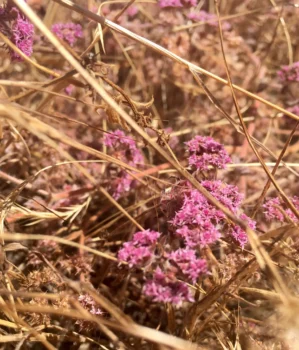
Hartweg’s Spineflower: A Rare California Native Worth Protecting
If you’re passionate about California native plants and conservation gardening, you might have stumbled across Hartweg’s spineflower (Chorizanthe pungens var. hartwegiana). This little annual herb isn’t your typical garden showstopper, but it holds a special place in California’s botanical heritage—and unfortunately, it’s fighting for survival.
What Makes This Plant Special?
Hartweg’s spineflower is a true California native, belonging to the buckwheat family. As an annual forb, it completes its entire life cycle in one growing season, sprouting from seed, flowering, setting seed, and dying all within a year. Don’t expect towering stems or flashy blooms—this modest plant stays close to the ground and produces tiny white to pinkish flowers that might escape notice unless you’re looking closely.
Where Does It Grow?
This endemic species calls California home, specifically the Santa Cruz Mountains region. Its natural habitat is quite limited, which contributes to its precarious conservation status.
- Species observed
- No observations
The Conservation Reality Check
Here’s where things get serious: Hartweg’s spineflower is listed as Endangered with a Global Conservation Status of S2T1. This means it’s extremely rare and faces significant threats to its survival. If you’re considering adding this plant to your garden, you absolutely must source it responsibly from reputable native plant societies or conservation organizations—never collect from wild populations.
Is This Plant Right for Your Garden?
Let’s be honest—Hartweg’s spineflower isn’t for every gardener or every garden. Here’s what you need to consider:
The Good:
- Supports local ecosystem health as a native species
- Provides nectar for small native insects and pollinators
- Perfect for specialized native plant collections
- Contributes to conservation efforts when grown responsibly
- Low water requirements once established
The Challenging:
- Very specific growing requirements
- Limited ornamental appeal
- Short-lived annual lifecycle
- Difficult to source responsibly
- Best suited for advanced native plant gardeners
Growing Conditions and Care
If you’re committed to growing this rare beauty, you’ll need to replicate its native habitat conditions:
- Soil: Well-draining, sandy soils are essential
- Sun exposure: Full sun locations
- Water: Minimal water needs; drought-tolerant once established
- Climate zones: USDA zones 9-10 (California’s coastal and interior regions)
- Planting method: Direct seeding works best, as transplanting can be challenging
Best Garden Settings
Hartweg’s spineflower thrives in:
- Specialized native plant gardens
- Habitat restoration projects
- Educational demonstration gardens
- Rock gardens with sandy soils
- Mediterranean-style landscapes
Our Recommendation
Given its endangered status, we recommend Hartweg’s spineflower only for dedicated native plant enthusiasts who can provide proper growing conditions and source plants responsibly. If you’re new to native gardening or looking for easier options, consider other California native annuals that offer similar ecological benefits without the conservation concerns.
Remember, growing rare native plants is both a privilege and a responsibility. By choosing to cultivate Hartweg’s spineflower, you become part of its conservation story—but only if you do it right.
The Bottom Line
Hartweg’s spineflower may not win any beauty contests, but it represents something far more valuable: California’s unique botanical heritage. If you have the right conditions, the dedication, and access to responsibly sourced plants, growing this rare native can be a meaningful way to support conservation right in your own backyard.