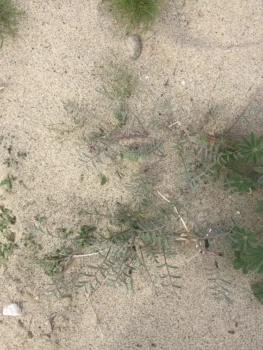
Harwood’s Milkvetch: A Desert Gem for Specialized Native Gardens
If you’re passionate about native desert plants and have a thing for the understated beauty of wildflowers, Harwood’s milkvetch (Astragalus insularis var. harwoodii) might just be the quirky addition your garden has been waiting for. This petite annual legume is like that friend who’s not flashy but has tons of character once you get to know them.
Meet Harwood’s Milkvetch
Harwood’s milkvetch goes by the scientific name Astragalus insularis var. harwoodii, though you might occasionally see it referenced by its synonym Astragalus harwoodii. As a member of the legume family, this little annual brings that classic pea-flower charm to desert landscapes, albeit on a much smaller scale than your garden-variety sweet peas.
Where Does It Call Home?
This native beauty is a true child of the American Southwest, naturally occurring in Arizona and California. It’s perfectly adapted to the harsh desert conditions of these regions, making it a fantastic choice for gardeners looking to create authentic desert landscapes or support local ecosystems.
- Species observed
- No observations
Should You Plant Harwood’s Milkvetch?
Here’s where things get interesting. Harwood’s milkvetch has a Global Conservation Status of S5T3, which indicates it may have some conservation concerns. If you’re considering adding this plant to your garden, it’s crucial to source your seeds or plants from reputable native plant nurseries that practice responsible collection methods. Never collect seeds from wild populations.
That said, if you can source it responsibly, there are some compelling reasons to consider this desert native:
- It’s perfectly adapted to harsh desert conditions
- As a legume, it helps fix nitrogen in the soil
- Its flowers provide nectar for small desert pollinators
- It requires virtually no supplemental water once established
- It supports authentic desert ecosystem restoration
What to Expect in Your Garden
Don’t expect Harwood’s milkvetch to steal the show with dramatic blooms or towering presence. This is an annual herb that keeps things low-key with small, typically purple or pink legume flowers. Its beauty lies in its authenticity and ecological function rather than showy ornamental appeal.
The plant works beautifully in:
- Desert wildflower gardens
- Native plant restorations
- Xeriscaped landscapes
- Educational or demonstration gardens focusing on local flora
Growing Harwood’s Milkvetch Successfully
If you’re up for the challenge of growing this specialized desert native, here’s what you need to know:
Climate Requirements: This plant thrives in USDA hardiness zones 9-11, specifically in desert climates. It’s not going to be happy in humid or cool conditions.
Site Selection: Choose the sunniest, most well-draining spot in your garden. Think sandy, rocky, or gravelly soils that mimic desert conditions. If your soil holds water, you’ll need to amend it heavily or create raised beds.
Planting: Since it’s an annual, you’ll need to start fresh each year. Fall seeding works best, allowing the seeds to experience natural winter conditioning. Direct seeding is preferred over transplanting.
Watering: Less is definitely more. Once established, this plant should receive minimal to no supplemental irrigation. Overwatering is probably the fastest way to kill it.
Maintenance: The beauty of desert natives like Harwood’s milkvetch is that they don’t want to be fussed over. Avoid fertilizers and excessive care.
Supporting Desert Wildlife
While small in stature, Harwood’s milkvetch punches above its weight when it comes to supporting desert ecosystems. Its legume flowers attract small native bees and other pollinators that are specifically adapted to desert conditions. As a nitrogen-fixing plant, it also helps improve soil conditions for other desert plants.
The Bottom Line
Harwood’s milkvetch isn’t for every gardener or every garden. It requires specific desert conditions and responsible sourcing due to its conservation status. However, for dedicated native plant enthusiasts in appropriate climates who can source it responsibly, it offers an authentic way to support desert ecosystems while enjoying a truly local wildflower.
If you’re new to native gardening or live outside desert regions, you might want to start with more common and readily available native alternatives. But if you’re committed to authentic desert landscaping and can meet its specific needs, Harwood’s milkvetch could be a meaningful addition to your native plant collection.