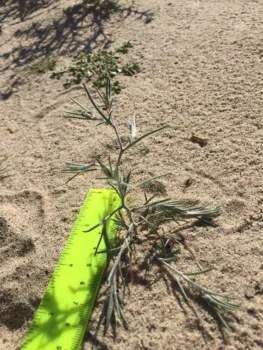
Harwood’s Woollystar: A Rare California Gem for Native Plant Enthusiasts
If you’re passionate about native plants and love supporting rare species, Harwood’s woollystar (Eriastrum harwoodii) might just be the perfect addition to your California garden. This charming annual wildflower is one of nature’s special treasures – a plant that’s found nowhere else in the world except the Golden State.
What Makes Harwood’s Woollystar Special?
Harwood’s woollystar is a delicate annual forb that belongs to the phlox family. Like other woollystar species, it produces small, star-shaped flowers that seem to twinkle in the garden. As an annual, it completes its entire life cycle in one growing season, making it a perfect choice for gardeners who enjoy the changing tapestry of seasonal wildflowers.
This little wildflower is exclusively native to California, making it a true regional treasure. Its scientific name, Eriastrum harwoodii, honors its California heritage and the botanists who first described it.
Where Does It Grow?
Harwood’s woollystar is endemic to California, meaning you won’t find it growing wild anywhere else on Earth. This exclusive geographic distribution makes it particularly special for California gardeners looking to showcase their state’s unique botanical heritage.
- Species observed
- No observations
A Word About Rarity
Important note for conservation-minded gardeners: Harwood’s woollystar has a conservation status that suggests it may be uncommon in the wild. If you’re interested in growing this species, please ensure you source your seeds or plants from reputable native plant nurseries that practice ethical collection methods. Never collect seeds or plants from wild populations.
Growing Harwood’s Woollystar Successfully
While specific growing information for Harwood’s woollystar is limited, we can draw from what we know about its woollystar relatives to provide guidance:
- Sunlight: Likely prefers full sun conditions
- Soil: Well-draining soils are probably essential
- Water: As a California native annual, it’s likely drought-tolerant once established
- Climate zones: Best suited for USDA zones 8-10, matching California’s climate
Perfect Garden Settings
Harwood’s woollystar would be ideal for:
- Native plant gardens focused on California species
- Wildflower meadows and naturalized areas
- Rock gardens with good drainage
- Conservation gardens supporting rare species
- Educational gardens showcasing local biodiversity
Supporting Pollinators and Wildlife
While specific pollinator data for Harwood’s woollystar isn’t well-documented, woollystar species typically attract small native bees, beneficial insects, and sometimes butterflies. By growing this rare native, you’re likely providing nectar sources for California’s native pollinator community.
Should You Grow Harwood’s Woollystar?
If you’re a California gardener with a passion for native plants and conservation, Harwood’s woollystar could be a wonderful addition to your garden. However, due to its rarity status, approach this plant with extra responsibility:
- Only purchase from reputable native plant nurseries
- Consider it a conservation effort as much as a gardening choice
- Share seeds responsibly with other native plant enthusiasts
- Document your growing experiences to help build knowledge about this species
The Bottom Line
Harwood’s woollystar represents the kind of botanical treasure that makes native plant gardening so rewarding. While it may require a bit more effort to source and isn’t as well-studied as common garden plants, growing this rare California endemic connects you to your local ecosystem in a meaningful way. Just remember: with rare plants comes great responsibility – always source ethically and grow with conservation in mind.
By choosing to grow Harwood’s woollystar, you’re not just adding beauty to your garden; you’re participating in the important work of conserving California’s unique botanical heritage for future generations.