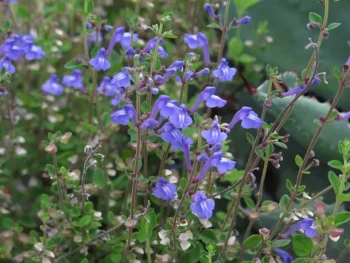
Havana Skullcap: A Rare Native Gem Worth Protecting
Meet the Havana skullcap (Scutellaria havanensis), a charming little perennial that’s become something of a botanical treasure hunt. This native forb might not be the showiest plant in your garden, but what it lacks in flashiness, it more than makes up for in rarity and ecological value.
What Makes Havana Skullcap Special?
Havana skullcap is a true native of the southeastern United States, calling Florida and Puerto Rico home. As a member of the mint family, this herbaceous perennial brings that classic mint family charm to native plant gardens, though finding one might require some detective work.
This little forb grows as a non-woody perennial, meaning it dies back to ground level each year but returns from its root system when conditions are right. Like other plants in its family, it likely produces small, tubular flowers that are perfectly sized for native pollinators.
Where Does It Grow?
The geographic range of Havana skullcap is impressively small – you’ll only find it naturally occurring in Florida and Puerto Rico. This limited distribution is part of what makes it so special, but also why it deserves our attention and protection.
- Species observed
- No observations
A Word About Rarity
Here’s where things get serious: Havana skullcap has a global conservation status of S3S4, which puts it in a somewhat precarious position. While not critically endangered, this plant is uncommon enough that we need to be thoughtful about how we approach growing it.
If you’re considering adding this native beauty to your garden, please ensure you’re sourcing it responsibly. This means:
- Purchasing from reputable native plant nurseries
- Never collecting from wild populations
- Choosing nursery-propagated plants over wild-collected specimens
- Supporting conservation efforts when possible
Growing Havana Skullcap
Given its limited range in Florida and Puerto Rico, Havana skullcap is likely suited for USDA hardiness zones 9-11. As a native of these warm, humid regions, it probably appreciates:
- Well-draining soil that doesn’t stay soggy
- Partial shade to protect from intense afternoon sun
- Consistent moisture without waterlogging
- Protection from cold temperatures
Since detailed growing information is limited due to its rarity, your best bet is to mimic its natural habitat conditions as closely as possible.
Garden Design and Landscape Use
Havana skullcap shines in native plant gardens, naturalized areas, and wildlife-friendly landscapes. As a forb, it plays an important ecological role, likely supporting native pollinators and contributing to the complex web of relationships that make healthy ecosystems tick.
Consider pairing it with other Florida and Caribbean natives, and give it space to establish without competition from aggressive garden plants. Its modest size and herbaceous nature make it perfect for the understory of native plant communities.
The Bottom Line
Havana skullcap represents something precious in the gardening world – a native plant that connects us directly to specific regional ecosystems. While it might not be the easiest plant to find or grow, supporting rare natives like this one helps preserve biodiversity and maintain the unique character of our local landscapes.
If you have the opportunity to grow Havana skullcap responsibly, you’ll be participating in conservation while adding a truly special native to your garden. Just remember: with rarity comes responsibility. Let’s make sure future generations can enjoy this little botanical treasure too.