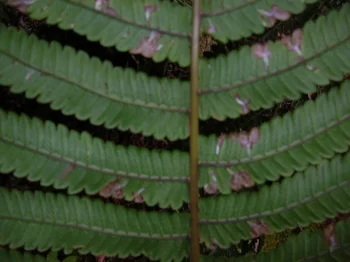
Discovering the Hawai’i Air Fern: A Vulnerable Native Treasure
Meet the Hawai’i air fern (Pneumatopteris sandwicensis), a special native fern that calls the Hawaiian Islands home. Also known by its Hawaiian name ho`i`o kula, this perennial fern represents an important piece of Hawaii’s unique botanical heritage—though it’s one that needs our careful attention and respect.
A Fern with Many Names
Like many plants that have been studied over time, the Hawai’i air fern has gone by several scientific names throughout botanical history. You might also see it referred to as Cyclosorus sandwicensis, Dryopteris stegnogrammoides, or Thelypteris hawaiiensis in older references. But regardless of what name it goes by, this fern remains a distinctly Hawaiian species.
Where You’ll Find This Native Beauty
The Hawai’i air fern is endemic to the Hawaiian Islands, meaning it grows naturally nowhere else on Earth. This makes it an incredibly special plant that’s perfectly adapted to Hawaii’s unique climate and growing conditions.
- Species observed
- No observations
An Important Conservation Note
Here’s something crucial for any gardener to know: the Hawai’i air fern has a Global Conservation Status of S3, which means it’s considered vulnerable. With typically only 21 to 100 occurrences and between 3,000 to 10,000 individuals remaining, this fern is quite rare and faces potential threats to its survival.
If you’re interested in growing this native Hawaiian fern, it’s essential to source it responsibly. Never collect plants from the wild, and only purchase from reputable native plant nurseries that propagate their stock ethically. By choosing responsibly sourced plants, you can help support conservation efforts rather than contributing to the decline of wild populations.
Growing Conditions and Garden Role
As a native Hawaiian species, the Hawai’i air fern is naturally suited to tropical conditions (USDA hardiness zones 10-12). It has a facultative wetland status, which means it’s quite adaptable and can thrive in both wetland and non-wetland conditions—making it a versatile choice for various garden settings.
This perennial fern works beautifully in:
- Native Hawaiian landscape designs
- Shade gardens that mimic natural forest understory
- Areas where you want to create habitat for native Hawaiian wildlife
- Gardens focused on conservation and preserving endemic species
Why Choose Native Hawaiian Ferns?
While ferns don’t produce flowers to attract pollinators, they play important ecological roles in their native ecosystems. Native Hawaiian ferns like the Hawai’i air fern help:
- Preserve the unique character of Hawaiian landscapes
- Support the broader web of native Hawaiian species
- Maintain genetic diversity of endemic plants
- Connect modern gardens to Hawaii’s botanical heritage
A Responsible Approach to Native Gardening
Growing the Hawai’i air fern isn’t just about adding an interesting plant to your garden—it’s about participating in conservation. By choosing to grow this vulnerable native species from responsibly sourced material, you’re helping ensure that future generations will be able to enjoy this unique piece of Hawaiian natural heritage.
Remember, every native plant we grow responsibly and every wild population we protect helps maintain the incredible biodiversity that makes Hawaii’s ecosystems so special. The Hawai’i air fern may be small, but it represents something much larger: our commitment to preserving the natural world for years to come.