Hawai’i Beggarticks: A Rare Native Gem for Island Gardens
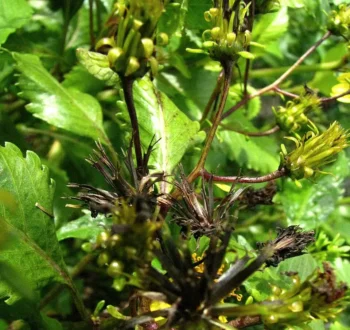
Meet Hawai’i beggarticks (Bidens hawaiensis), a charming little native Hawaiian plant that’s as special as it is scarce. This low-growing perennial shrub might not be the showiest plant in your garden, but it packs a serious conservation punch and brings authentic island character to any landscape.
What Makes Hawai’i Beggarticks Special?
Hawai’i beggarticks is what botanists call an endemic species – it naturally occurs nowhere else on Earth except the Hawaiian Islands. This compact shrub typically stays under 1.5 feet tall, though it can occasionally reach up to 3 feet at maturity. Its small, bright yellow daisy-like flowers create a cheerful carpet of color that’s distinctly Hawaiian.
But here’s the catch: this plant is incredibly rare. With a conservation status of S2 (Imperiled), there are only an estimated 6 to 20 known populations remaining, with perhaps 1,000 to 3,000 individual plants left in the wild. That makes every garden specimen precious.
Where Does It Grow?
As you might guess from its name, Hawai’i beggarticks is found exclusively in Hawaii. This endemic beauty has adapted to the unique conditions of the Hawaiian Islands over thousands of years.
- Species observed
- No observations
Should You Plant Hawai’i Beggarticks?
If you live in Hawaii or another tropical zone (USDA zones 10-12), absolutely – but with an important caveat. Due to its imperiled status, you should only plant Hawai’i beggarticks if you can source it responsibly from reputable native plant nurseries or conservation programs. Never collect plants from the wild, as this could further endanger wild populations.
This plant is perfect for:
- Native Hawaiian gardens and landscapes
- Erosion control on slopes
- Xerophytic (drought-tolerant) garden designs
- Coastal landscaping projects
- Conservation and restoration efforts
Growing Hawai’i Beggarticks Successfully
The good news is that once established, Hawai’i beggarticks is relatively easy to care for. This hardy little shrub has evolved to thrive in Hawaii’s varied conditions.
Light and Location
Plant your Hawai’i beggarticks in full sun to partial shade. It’s quite adaptable to different light conditions, making it versatile for various garden spots.
Soil Requirements
Well-draining soil is essential. This plant doesn’t like to sit in water, so avoid heavy clay or constantly moist areas. Sandy or rocky soils work well, mimicking its natural habitat.
Watering Needs
Once established, Hawai’i beggarticks is quite drought-tolerant. Water regularly during the first growing season to help it establish, then reduce watering frequency. It’s better to underwater than overwater this tough little plant.
Maintenance
Minimal maintenance is required, which makes this plant a great choice for low-maintenance landscapes. Occasional light pruning can help maintain its shape and encourage bushier growth.
Benefits for Wildlife and Pollinators
Like many native Hawaiian plants, Hawai’i beggarticks likely provides important resources for local wildlife, though specific benefits aren’t well-documented. Its flowers can attract various pollinators, contributing to the health of local ecosystems.
A Conservation Success Story in Your Garden
By choosing to grow Hawai’i beggarticks (from responsible sources), you’re not just adding a unique native plant to your landscape – you’re participating in conservation. Every garden that hosts this rare species helps ensure its survival and provides a backup population should wild habitats face further threats.
Remember, this plant is only suitable for tropical and subtropical climates (zones 10-12), so mainland gardeners will need to stick to container growing or choose other native alternatives for their regions.
Hawai’i beggarticks may be small and rare, but it represents something much bigger: the irreplaceable natural heritage of the Hawaiian Islands. If you have the right climate and can source it responsibly, this little survivor deserves a spot in your native plant collection.