Hawai’i Birdcatching Sedge: A Native Hawaiian Treasure for Your Garden
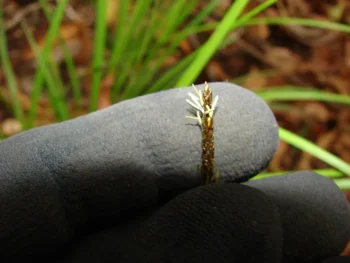
Meet the Hawai’i birdcatching sedge (Uncinia uncinata), a charming native Hawaiian plant that’s been quietly beautifying the islands’ wet forests and boggy areas for centuries. This unassuming perennial sedge might not have the flashy flowers of a hibiscus, but it brings something equally valuable to your garden: authentic Hawaiian character and rock-solid reliability.
What Makes This Sedge Special?
The Hawai’i birdcatching sedge is a true island native, found exclusively in Hawaii. As a member of the sedge family (Cyperaceae), it’s technically a grass-like plant that forms attractive, dense tufts of narrow, arching leaves. Don’t let its humble appearance fool you – this little powerhouse is perfect for gardeners looking to create authentic Hawaiian landscapes or anyone who appreciates plants that actually belong where they’re planted.
Where You’ll Find It Growing Wild
This sedge calls Hawaii home and only Hawaii. You’ll spot it thriving in the islands’ wet forests and boggy areas, where it has adapted beautifully to the unique Hawaiian climate and growing conditions.
- Species observed
- No observations
Why Your Garden Will Love This Sedge
Here’s where the Hawai’i birdcatching sedge really shines in landscape design:
- Erosion control champion: Those dense tufts are excellent at holding soil in place on slopes or unstable areas
- Wet area solution: Perfect for those soggy spots in your garden where other plants struggle
- Low maintenance: Once established, it pretty much takes care of itself
- Authentic Hawaiian character: Adds genuine native appeal to your landscape
- Naturalistic texture: Creates beautiful, flowing lines that soften hardscapes
Perfect Garden Situations
The Hawai’i birdcatching sedge is particularly well-suited for:
- Rain gardens and bioswales
- Bog gardens or naturally wet areas
- Native Hawaiian restoration projects
- Naturalistic landscape designs
- Erosion-prone slopes that stay moist
Growing Conditions That Make It Happy
This adaptable sedge has a wetland status of facultative, meaning it’s equally comfortable in wet and moderately dry conditions. For best results:
- Light: Partial shade to full sun
- Soil: Moist to wet, acidic soils preferred
- Climate: Thrives in USDA zones 10-12 (tropical and subtropical areas)
- Water: Consistent moisture is key, though it can handle some variation
Planting and Care Tips
The good news? This native sedge is refreshingly low-maintenance:
- Plant in spring or fall when conditions are mild
- Space plants about 12-18 inches apart for groundcover effect
- Water regularly during establishment, then reduce as the plant adapts
- Minimal fertilization needed – native soils usually provide adequate nutrition
- Allow to spread naturally via rhizomes for best coverage
- Trim back old growth annually if desired, though it’s not necessary
Wildlife and Ecological Benefits
While this sedge is wind-pollinated rather than attracting specific pollinators, it provides valuable habitat structure for native Hawaiian wildlife. Its dense growth creates shelter for small creatures and contributes to the complex ecosystem web that makes Hawaiian forests so special.
Is This Plant Right for Your Garden?
The Hawai’i birdcatching sedge is an excellent choice if you’re gardening in Hawaii or similar tropical climates and want to support native ecosystems. It’s particularly valuable for gardeners dealing with wet or boggy conditions where other plants might struggle. However, if you’re outside of zones 10-12, this tropical native won’t survive your winters.
For mainland gardeners inspired by this Hawaiian beauty, consider native sedges from your own region that offer similar benefits – there’s likely a local sedge species that can provide the same naturalistic appeal and ecological value in your specific climate.
The Hawai’i birdcatching sedge proves that sometimes the most valuable garden plants are the quiet, reliable ones that have been perfecting their craft in one special place for thousands of years.